
Last updated November 16, 2026
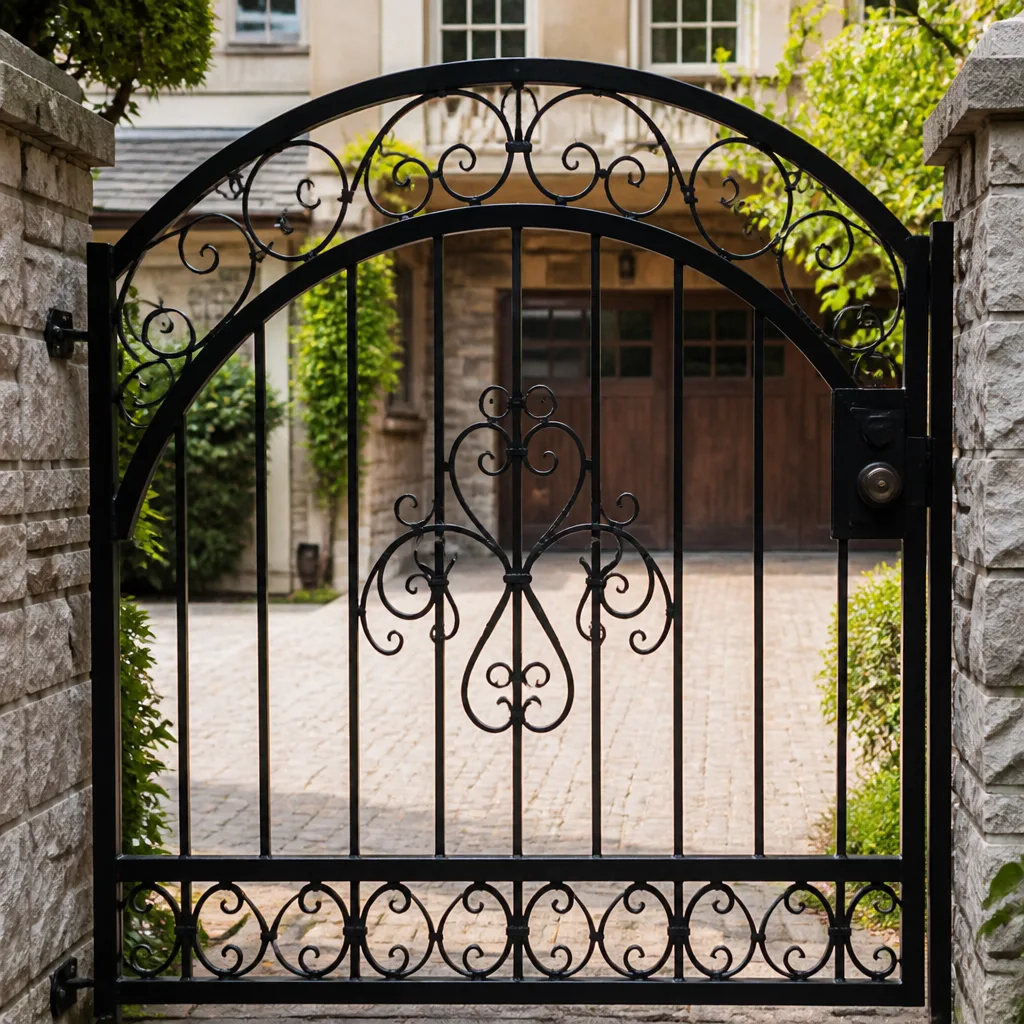 Wrought iron
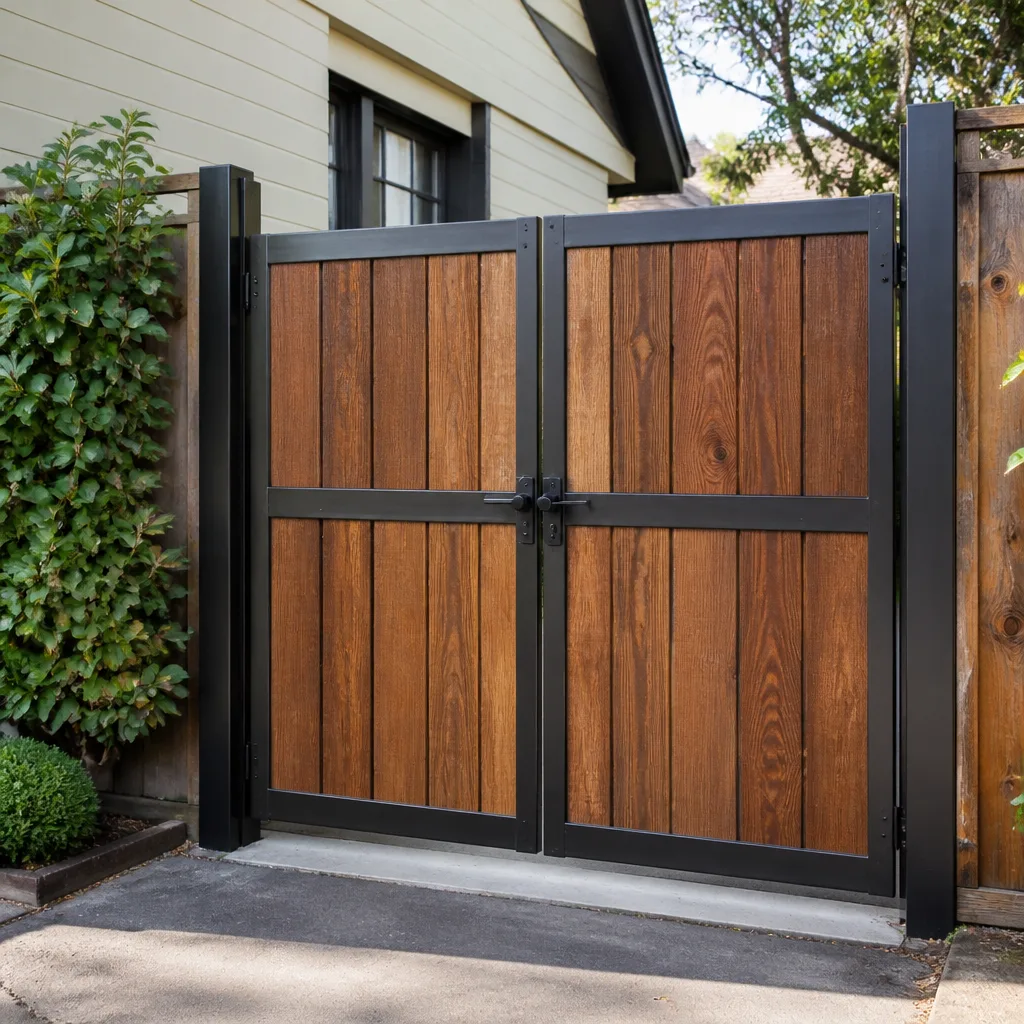 Wood & steel frame
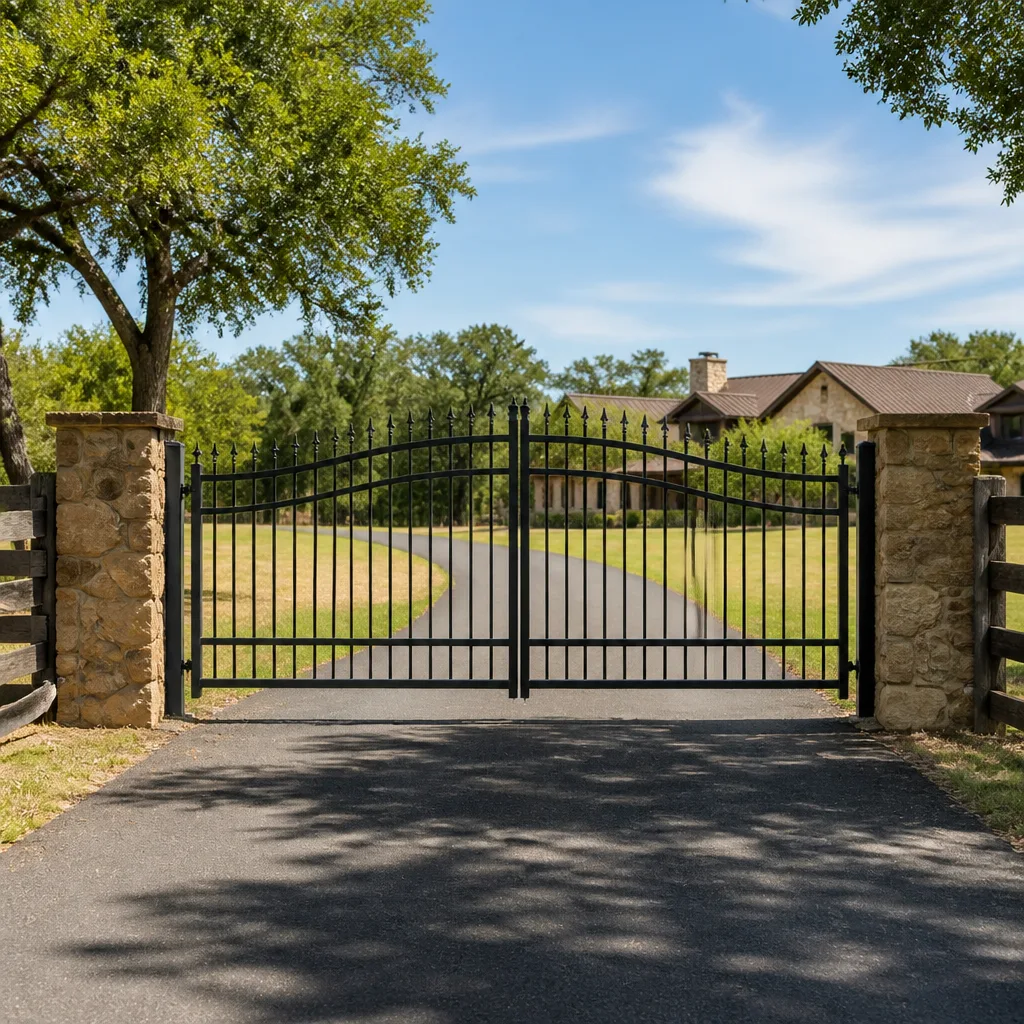 Farm & ranch
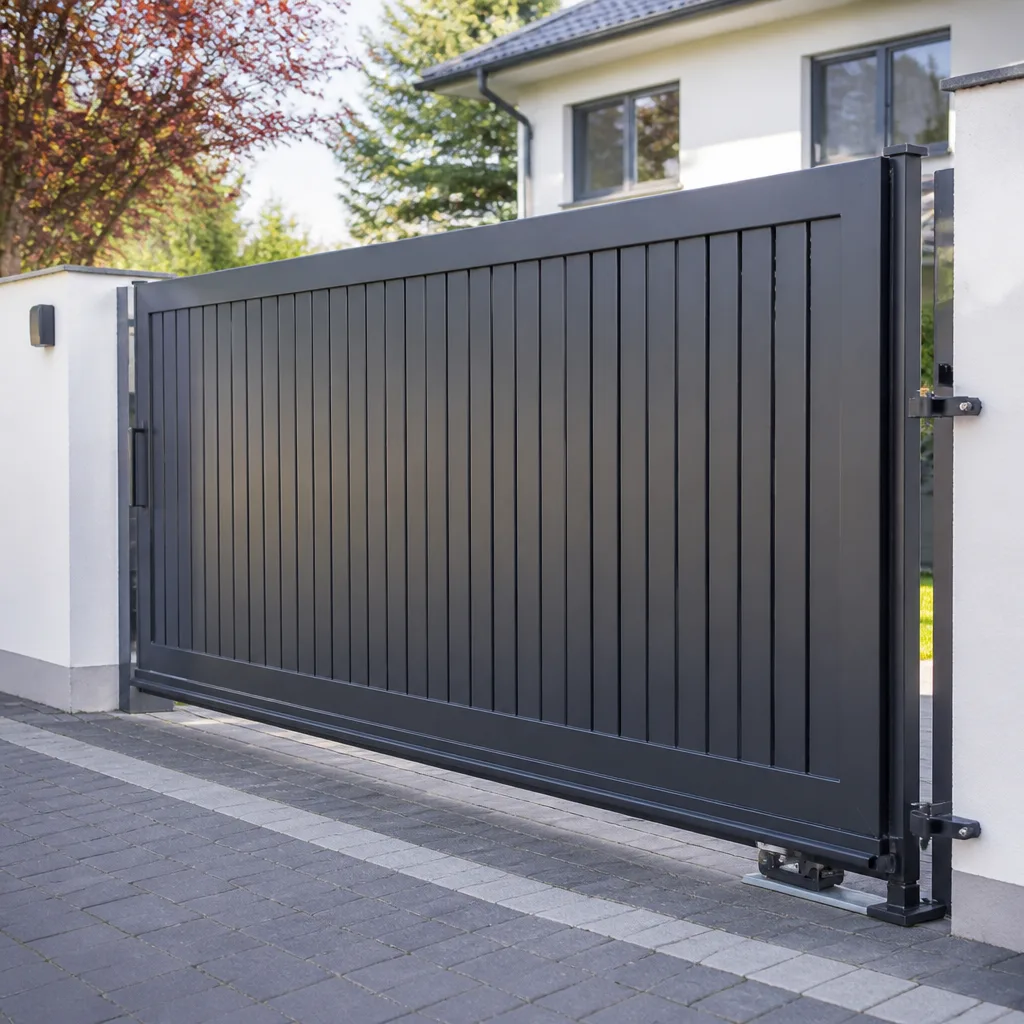 Sliding driveway gates
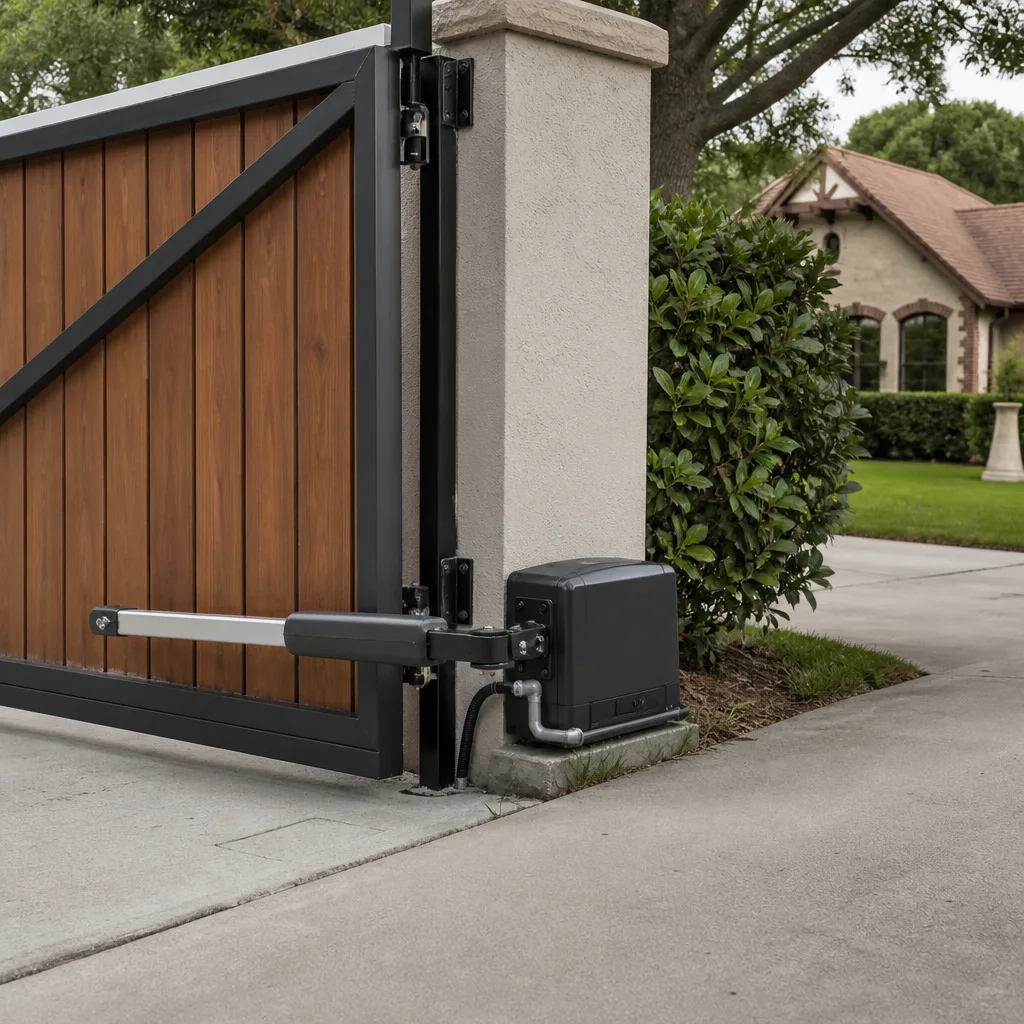 LiftMaster operators
Free on-site gate assessment - hinges, posts, and your LiftMaster or Nice gate operator checked before anything is quoted
The assessment is free and the quote is the invoice.
Get your free estimateGate Repair Permits, Codes & Inspections in Newark, NJ: What You Need to Know
If your gate contractor never mentioned permits, that’s not a sign the job was simple. It’s often a sign they’re avoiding the paperwork that protects you if something goes wrong or when you sell the property. In Newark, the line between a repair that needs a municipal permit and one that doesn’t is drawn by both city code and the state’s Uniform Construction Code, and it gets blurry fast. This guide walks through which gate jobs trigger permits, how automated operators fit under UL 325, what the inspection timeline looks like, and how to handle an HOA rule that conflicts with city code before a single post goes in.
Quick Answer
In Newark, NJ, gate repair generally requires a permit only when the work involves new electrical circuits or a change to an operator’s power supply, new or replacement post footings, changes to gate height or location, or a full replacement of the gate or its automated system. Purely mechanical repairs to an existing, already-permitted gate, like a bent arm, a worn roller, or a misaligned latch, are usually exempt. Automated gate operators must meet UL 325 safety standards whether they’re newly installed or repaired, and the Newark building department inspects the work before it’s signed off.
Styles & brands we work with
- Wrought iron
- Wood & steel frame
- Farm & ranch
- Sliding driveway gates
- LiftMaster operators
Table of Contents
- Which Gate Repairs Need a Permit in Newark?
- How the NJ Uniform Construction Code Applies to Automated Gates
- UL 325 Compliance: New Installs vs. Repairs
- The Newark Inspection Timeline, Step by Step
- What Happens If an Inspection Fails
- HOA Rules vs. Municipal Code: Resolving Conflicts
- How to Choose a Gate Contractor Who Handles the Paperwork
Which Gate Repairs Need a Permit in Newark?
The simplest way to think about it: if you’re replacing like for like and nothing about the gate’s structure, footprint, height, or electrical supply changes, you’re probably exempt. If anything structural or electrical is new, you’re probably not. Newark’s building department draws that line consistently with how the rest of the state interprets the NJ Uniform Construction Code, but the practical application in a dense city with a lot of older properties can be stricter than people expect.
Here’s the general split we see on gate repair jobs across Newark:
- Usually requires a permit: new operator installation on a gate that didn’t previously have one, any new electrical circuit or dedicated power run to the gate, replacement of posts or footings, any change to gate height or swing/slide footprint, full gate replacement, and installation of access control or loop detectors tied into building power.
- Usually exempt: replacing a control board in an existing operator, swapping a motor assembly with an identical unit, replacing a wheel or roller on a sliding gate, latching adjustment, hinge repair, painting and rust treatment, and replacing a battery backup on an existing system.
- The gray zone: replacing an operator with a different brand or power rating, adding safety sensors where none existed, and converting a manual gate to automated. These often pull in the electrical inspector even when the mechanical work is minimal.
If you’re in Ironbound, the North Ward, or one of the newer townhouse developments downtown, the surrounding lot lines and shared driveways matter too. A gate that borders a right-of-way or sits on a property line shared with a neighbor often gets a second look from the zoning side, not just the construction side. Ask the building department directly before assuming a job is exempt.
How the NJ Uniform Construction Code Applies to Automated Gates
New Jersey’s Uniform Construction Code is the state framework that local building departments, including Newark’s, use to review and inspect construction work. For automated gates, it mostly comes into play through three channels: the electrical subcode, the building subcode when structural changes are involved, and the fire or access provisions when a gate controls entry to a commercial or multi-unit property.
Practically speaking, that means an automated gate install in Newark is often a two-inspector job:
- Electrical inspector: reviews the power feed, disconnect, grounding, and the operator’s wiring, sensors, and low-voltage loop circuits.
- Building inspector: reviews the gate’s structural attachment, footing depth, and any height or setback change that affects the site plan.
In commercial settings, including warehouse and loading-dock gates and the automated gates at multi-family buildings, the access and egress provisions matter too. A gate that’s part of a required exit path can’t be locked or operated in a way that interferes with life safety, and the inspector will check that the manual release and operator behavior comply. We’ve had to explain this distinction to property managers more than once: the operator on a fire-lane gate is not the same review as the operator on a driveway gate.
There’s also a contractor licensing piece. The electrician pulling the power has to hold the right state license, and the gate contractor’s scope needs to stop where the electrician’s begins. A gate specialist who understands that boundary keeps the project moving; one who doesn’t creates a permit that sits open because nobody is sure who’s responsible for what.
UL 325 Compliance: New Installs vs. Repairs
UL 325 is the safety standard for automated gate operators. It requires that operators have entrapment protection, which in practice means a combination of inherent adjustment (the operator reverses when it meets resistance) and external sensors (photoelectric eyes, safety edges, or loop detectors that detect a person or vehicle in the path).
For a new installation in Newark, the operator has to be rated for the gate type and weight, the entrapment protection has to be present and functioning, and the installation has to be accompanied by the manufacturer’s required signage. The inspector verifies the safety devices during the electrical inspection, and the devices have to actually trigger – not just be wired in and dangling.
For a repair to an existing system, this is where a lot of Newark property owners get surprised. If a technician replaces a control board or a motor and leaves the operator in a state that no longer meets UL 325, the customer is now the one exposed. A missing or bypassed safety edge is a liability issue that surfaces if there’s ever an injury claim, an insurance review, or a sale with a pre-inspection. In our experience, this is the single most common thing we correct on gates that another contractor “fixed” and walked away from.
What good compliance looks like on a repaired system:
- The operator’s entrapment protection is active, tested at the time of service, and confirmed with the customer present.
- The required warning signage is present and legible.
- The manual release works and is accessible.
- Safety sensors are mounted at the correct height and alignment, not zip-tied to a post.
- Any bypass or override a previous technician installed has been removed or properly documented.
Brand matters less than the state of the system. We work on the brand you already have – FAAC, BFT, Linear, Viking, and others – and the UL 325 review is the same regardless of who made the operator.
The Newark Inspection Timeline, Step by Step
The inspection timeline in Newark follows a predictable sequence. It’s rarely fast, and it’s rarely something a homeowner should try to manage without the contractor who pulled the permit. Here’s how it typically unfolds:
- Permit application. The contractor submits to the Newark building department with the scope of work, the operator specs, and the electrical plans if a new circuit is involved. Turnaround varies by workload and whether the file is complete.
- Permit issuance. Once issued, the work can start. The permit card needs to be on site.
- Rough-in inspection. For a new power run or new footings, the electrical and building inspectors look at the work before it’s covered. Conduit and footing depth get checked here.
- Final inspection. After the operator is installed and wired, the inspector verifies UL 325 safety devices, signage, and the electrical connections. Someone has to be on site to run the gate.
- Certificate of approval. Once the final passes, the file closes. Keep that document – it’s the piece you’ll want if you ever sell the property or file an insurance claim.
Who schedules it? The contractor who pulled the permit. That’s the whole reason a gate specialist should be the one managing the paperwork. A homeowner trying to schedule inspections on a permit pulled by someone else usually ends up calling the department repeatedly, and the file sits open longer than it needs to.
What inspectors check, in short: the electrical work, the footing, the operator’s entrapment protection, the signage, and the manual release. They do not typically evaluate cosmetic condition or whether the gate lines up perfectly. The gate can need a hinge adjustment and still pass the safety inspection – those are two different lists.
What Happens If an Inspection Fails
A failed inspection isn’t the end of the project. It’s a correction list. The inspector documents what didn’t meet code, and the contractor has to correct and re-request the inspection. Newark, like most New Jersey municipalities, allows a reinspection once the work is addressed, and the fee structure and turnaround depend on the department’s current process.
The common failure points we see on electric gate repair and installation jobs:
- Safety devices not actually operating. The photoelectric eyes are installed but misaligned, or the safety edge isn’t wired in. The inspector triggers the gate and nothing reverses.
- Missing signage. The warning placards UL 325 requires aren’t mounted on the gate.
- Electrical work outside the licensed scope. The gate contractor did the power run without the right electrician on the file.
- Footing depth below plan. Especially on older Newark properties where the existing grade isn’t what the plans assumed.
- Manual release inaccessible. Common on gates that have been modified or fenced around over time.
The fix is straightforward: correct the item, reschedule, and document the correction. The bigger risk is the gate that never gets inspected at all. An open permit on a Newark property can hold up a sale, complicate an insurance renewal, and put the liability for a non-compliant operator squarely on the property owner. If you’re unsure whether an existing gate was ever signed off, that’s worth checking before you list or refinance.
HOA Rules vs. Municipal Code: Resolving Conflicts
Newark’s condo and townhouse communities, especially the newer developments in the downtown and University Heights areas, frequently run into a specific problem: the HOA governing documents specify a gate style, height, or color that doesn’t match what the city code or the site plan allows. The reverse happens too – the city approves a change that the HOA board hasn’t signed off on.
When those conflict, here’s the resolution order that keeps the project from stalling:
- Read the HOA’s architectural review clause. Most require written board approval before any exterior modification. Get that in writing.
- Confirm the city’s requirement. A code-compliant gate that violates the HOA, or an HOA-approved gate that violates code, both leave you exposed. You need both to line up.
- Look at the recorded site plan. If the gate footprint, height, or location was part of the site plan approved when the property was built, changes to it may pull in zoning review, not just the building department.
- Get the contractor to provide a written scope that matches both the HOA approval and the permit application. Discrepancies between the two are the single biggest cause of mid-project delays we see.
The rule of thumb: get HOA approval and permit approval in parallel, not sequentially. Waiting on one before starting the other can add weeks to a job that should have been routine.
How to Choose a Gate Contractor Who Handles the Paperwork
The right contractor for a permitted gate job is the one who asks about permits on the first call, not the one you have to remind. In Newark, a lot of gate work happens on older properties with mixed history – a gate that was installed years before anyone worried about UL 325, an operator that’s been swapped twice, a post that’s been replaced without a permit. A contractor who knows how to close out a legacy situation is worth more than one who only handles new installs.
What to ask before you sign:
- Will you pull the permit, or do I need to? (The right answer is usually “we will.”)
- Who handles the electrical side, and are they properly licensed for it?
- How do you confirm UL 325 compliance on a repair? Do you test the safety devices with me present?
- What’s your process for a gate with a mixed-brand setup or a legacy operator?
- What’s the written scope, and does it match the permit application?
We work on systems from LiftMaster, FAAC, BFT, Linear, Viking, Ghost Controls, DoorKing, Elite, and Mighty Mule, and the brand-agnostic diagnostic approach matters more on permitted jobs than anywhere else. A technician who troubleshoots the system in front of them, rather than defaulting to a brand-specific playbook, is the one who spots the safety edge that’s been bypassed and the footing that doesn’t match the plan. If it opens and closes a gate, we service it, and the compliance review is part of the service.
Common Mistakes to Avoid
- Assuming a repair is exempt because it’s small. A new operator on an existing gate that never had one is often a permit job even though the physical install looks minor. Ask before you assume.
- Letting the contractor skip UL 325 on a control board swap. Replacing a board without re-verifying the safety devices leaves the system non-compliant and the liability on you.
- Pulling an HOA approval after the work is done. Board approval is almost always a precondition, and retroactive requests get denied more often than they get approved in Newark’s condo communities.
- Leaving an open permit on the property. Open permits surface at the worst possible time – a sale, a refinance, an insurance renewal. If a gate was ever permitted and never signed off, close it out.
- Hiring a generalist for an electrical job. A handyman who can hang a gate is not a contractor who can pull a permit for a power run. The scope boundary matters.
- Not keeping the certificate of approval. The signed-off document is the proof you need later. Keep it with the property records.
- Letting the electrical work and the gate work be done by two contractors who don’t talk. That’s how permits sit open and safety devices end up unwired.
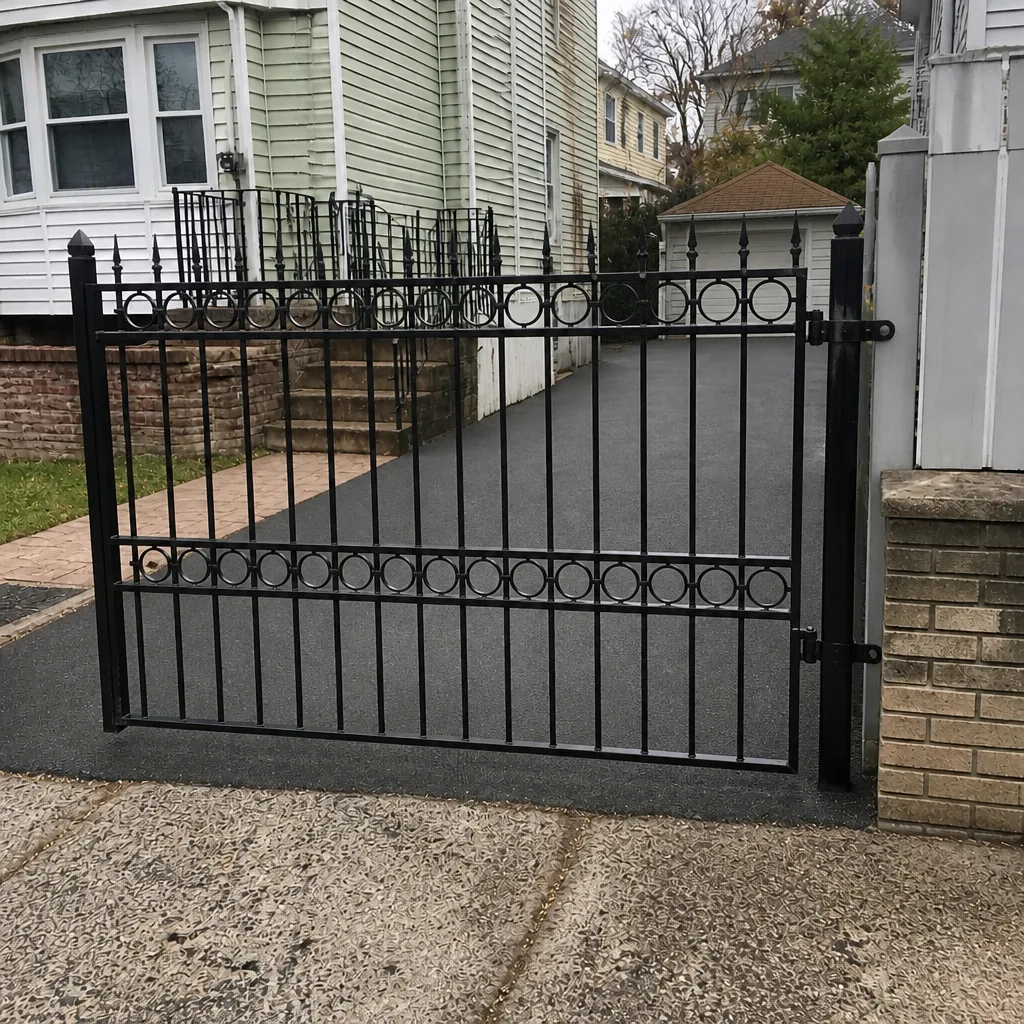
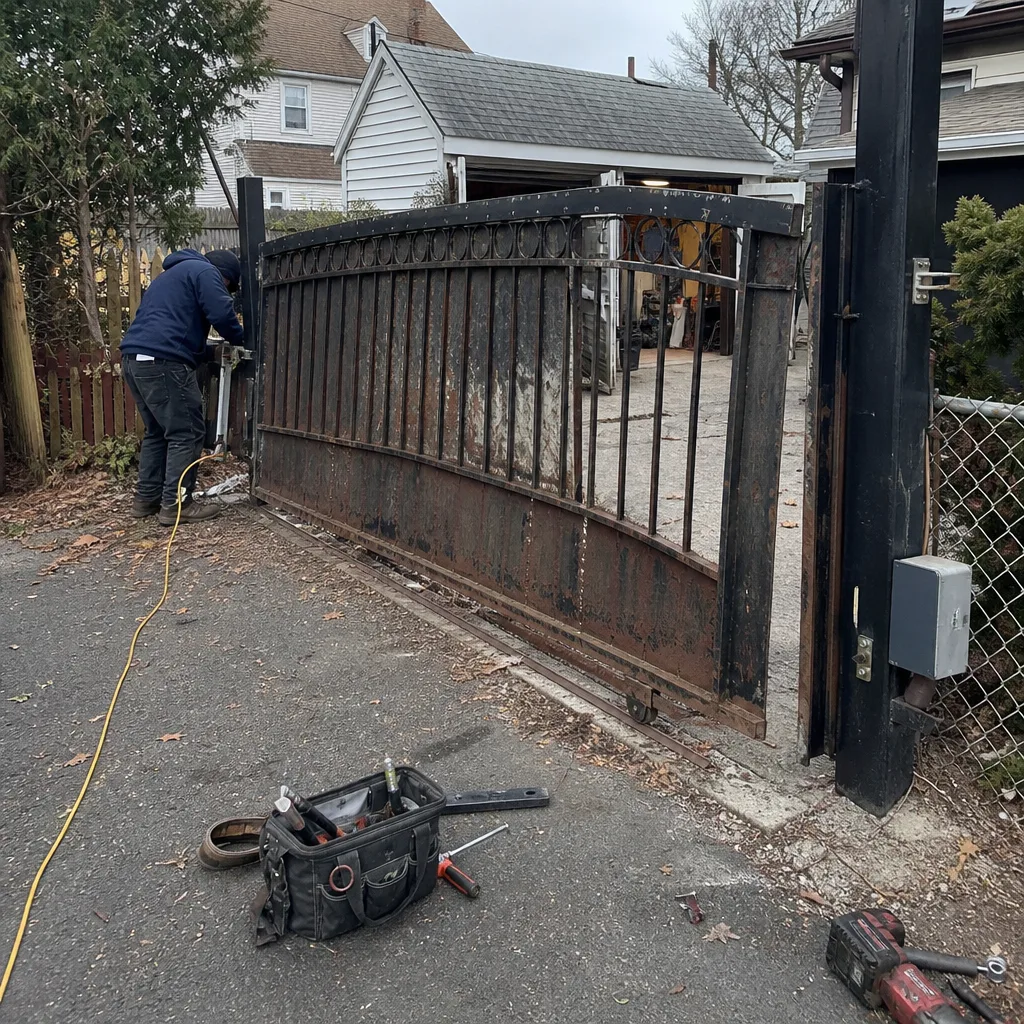
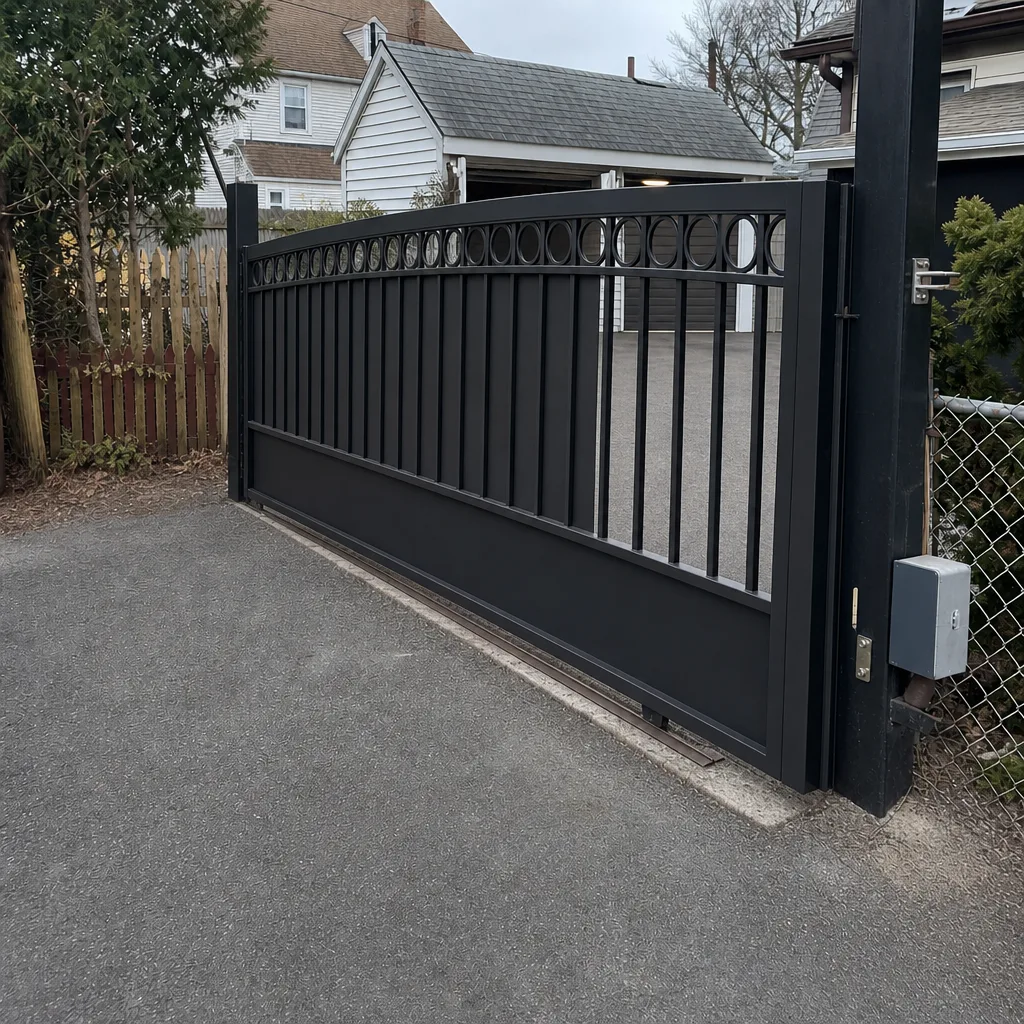
See the difference
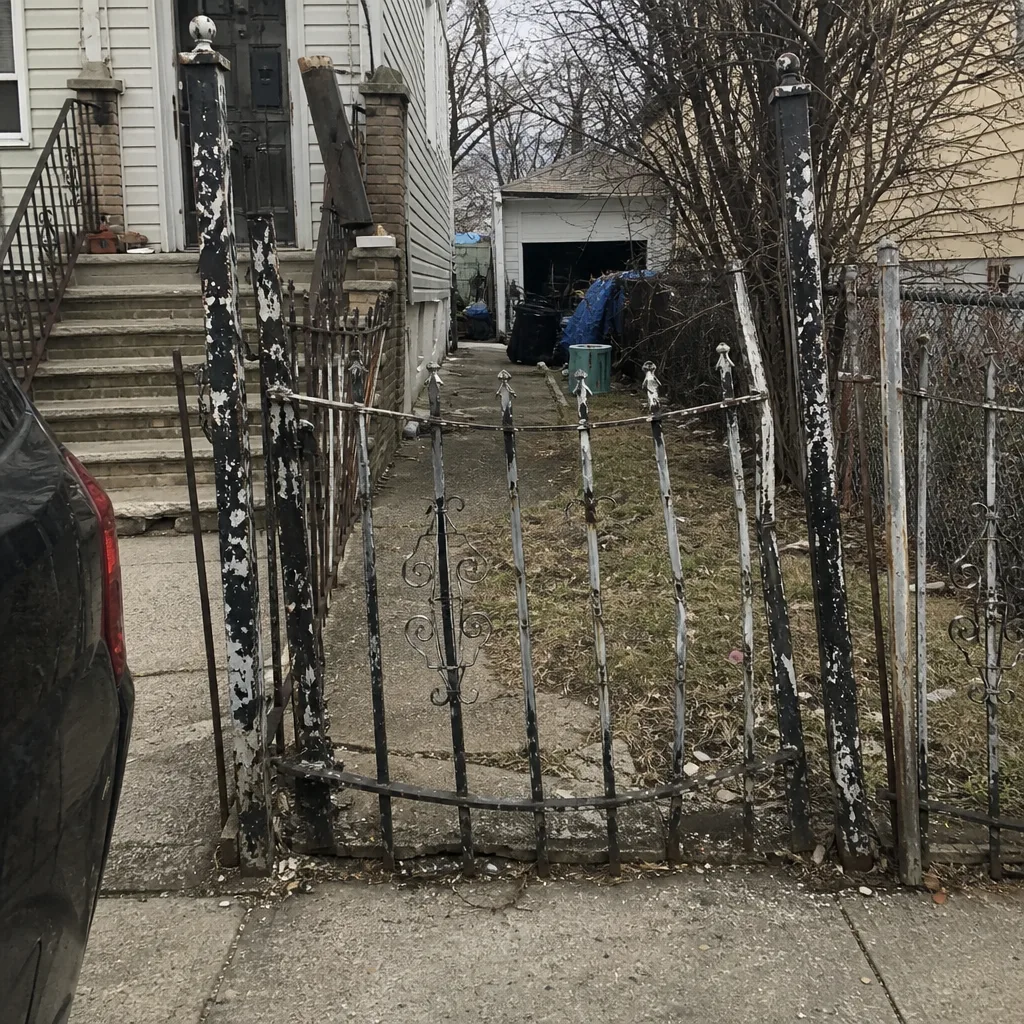 Before
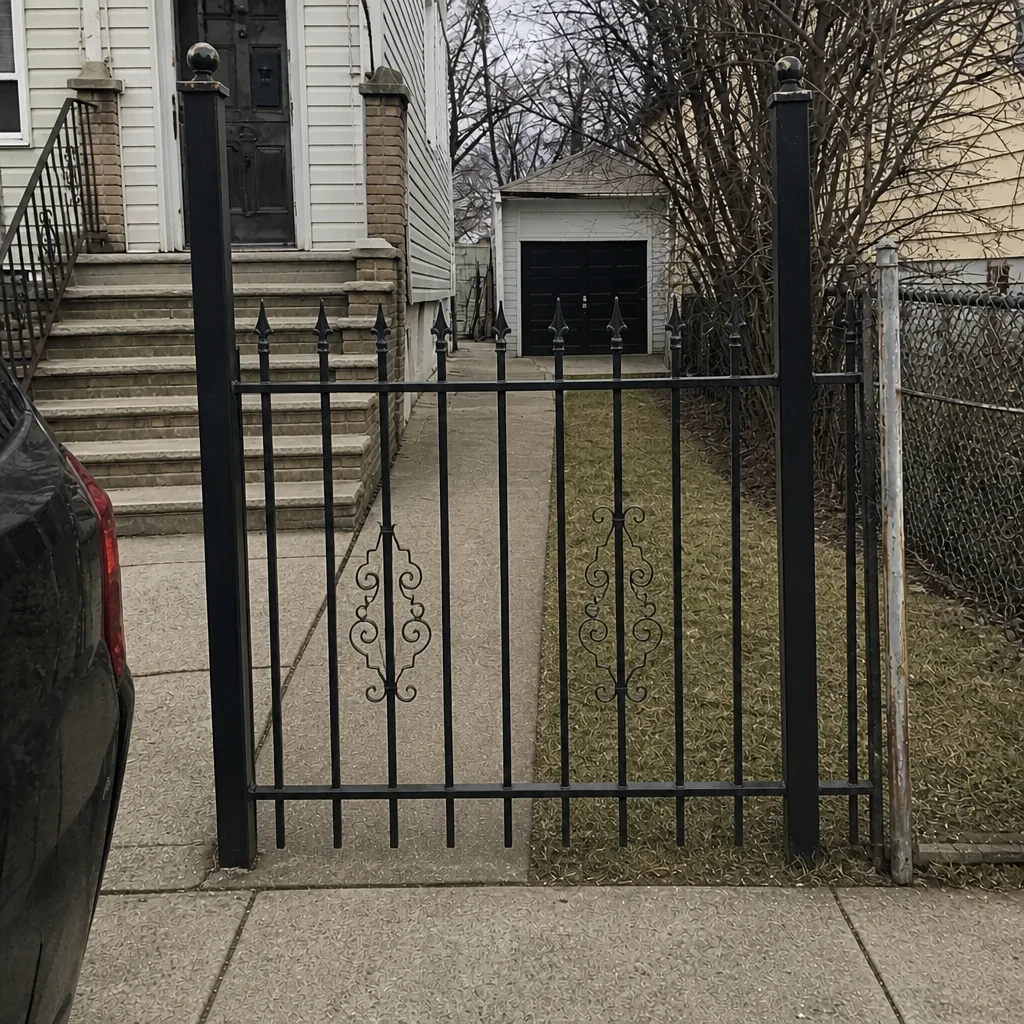 After
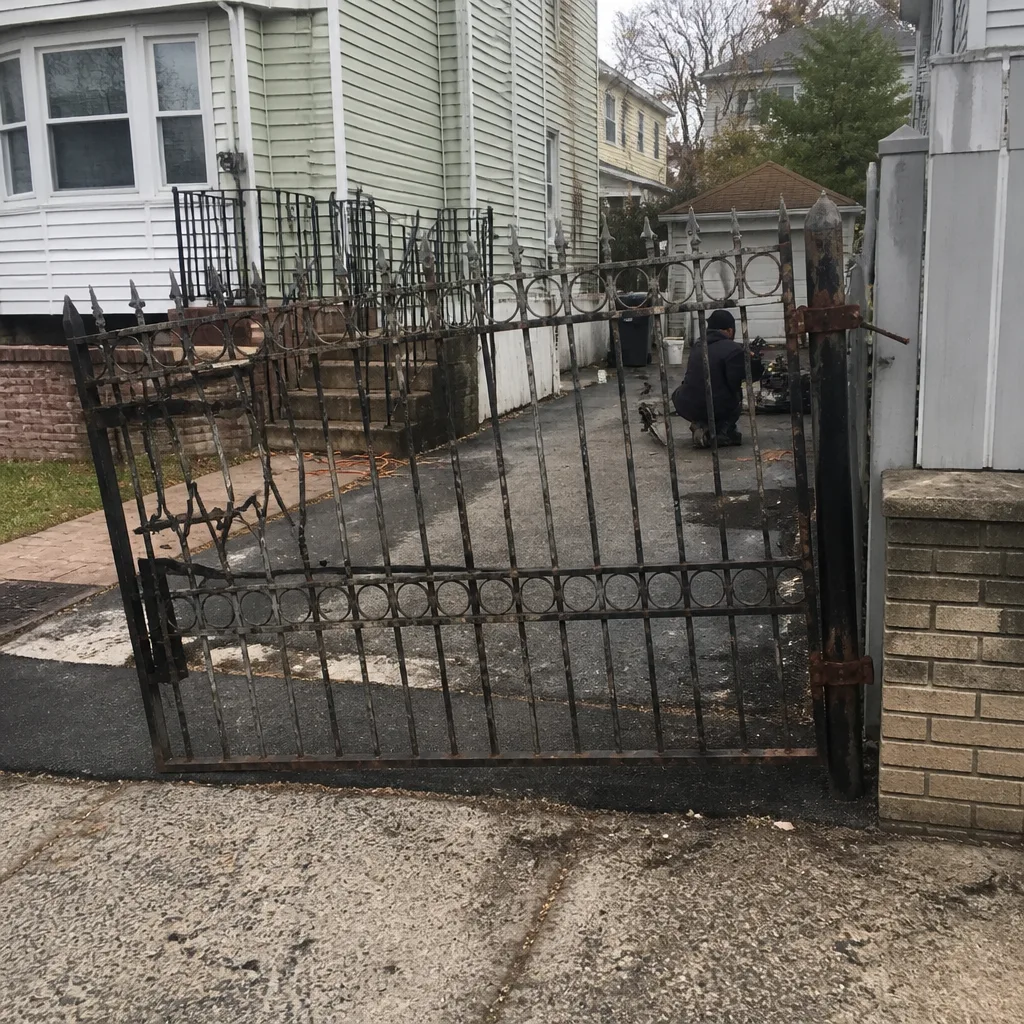 Before
 After
 Before
 After
When to Call a Professional
Call a professional as soon as the work involves anything new – a new operator, a new power run, new footings, a changed gate height, or a full replacement. Call us before that if you’re not sure which side of the line a repair falls on; the answer determines the whole project. Call us immediately if a gate is failing to reverse, if a safety edge is missing or bypassed, or if you suspect a legacy operator was installed without a permit, because that’s a compliance issue and a liability issue at the same time. Gate Repair Newark offers free estimates in Newark – call (833) 983-2324. We answer 24/7. Fast dispatch from 7am to 7pm, Sunday through Friday.
Frequently Asked Questions
Only if the repair involves new electrical work, new or replacement footings, a change to gate height or location, or a full replacement of the gate or operator. Mechanical repairs to an existing, already-permitted gate – a bent arm, a worn roller, a latch adjustment – are usually exempt. When in doubt, ask the Newark building department before the work starts, because the split is not always obvious from the outside.
It applies to both. UL 325 is the safety standard for the operator, and a repair that leaves the system’s entrapment protection inactive or bypassed puts the owner at risk regardless of when the gate was originally installed. Any technician replacing a control board or motor should test the safety devices with the customer present and confirm the signage and manual release are in place. Call (833) 983-2324 for a compliance review on an existing system.
The contractor who pulled the permit. That’s why the permit should be pulled by the gate specialist doing the work, not left to the homeowner. If you’re managing a project where someone else pulled the permit, confirm in writing who is responsible for scheduling the rough-in and final inspections, and get the certificate of approval when the file closes.
You can usually close it out retroactively, but the process depends on the scope and the age of the work, and the Newark building department will want to inspect it. The bigger problem is the open liability: an unpermitted, non-compliant operator can hold up a sale, complicate insurance, and leave the owner exposed if someone is injured. If you suspect a legacy gate was never signed off, get it reviewed before you need to.
No. HOA approval and municipal permit approval are separate requirements, and both have to be satisfied. Many Newark condo and townhouse communities require board approval before exterior changes, but that doesn’t replace the building department’s review of the electrical, footing, and UL 325 compliance. Get both lined up in parallel before any work starts.
The electrical inspector reviews the power feed, grounding, and the operator’s wiring, sensors, and loop circuits. The building inspector reviews the footing, structural attachment, and any height or setback change. For commercial and multi-unit gates, access and egress provisions are part of the review as well. The inspector will trigger the gate to confirm the safety devices work – someone needs to be on site to run it.
The Bottom Line
Permits on gate work in Newark aren’t paperwork for its own sake – they’re the record that says the electrical work was done by someone licensed, the operator meets UL 325, and the structure is where the plan says it is. The split between exempt and permitted work comes down to whether anything new is being introduced: new power, new posts, new height, new operator, new gate. Get HOA approval and permit approval in parallel, keep the certificate of approval with your property records, and treat UL 325 compliance on a repair as a non-negotiable, not a checkbox. If you’re uncertain which side of the line a job falls on, that’s the right time to call. Call (833) 983-2324 for a free estimate. We answer 24/7. Fast dispatch from 7am to 7pm, Sunday through Friday.
Written by the team at Gate Repair Newark.