
Last updated November 16, 2026
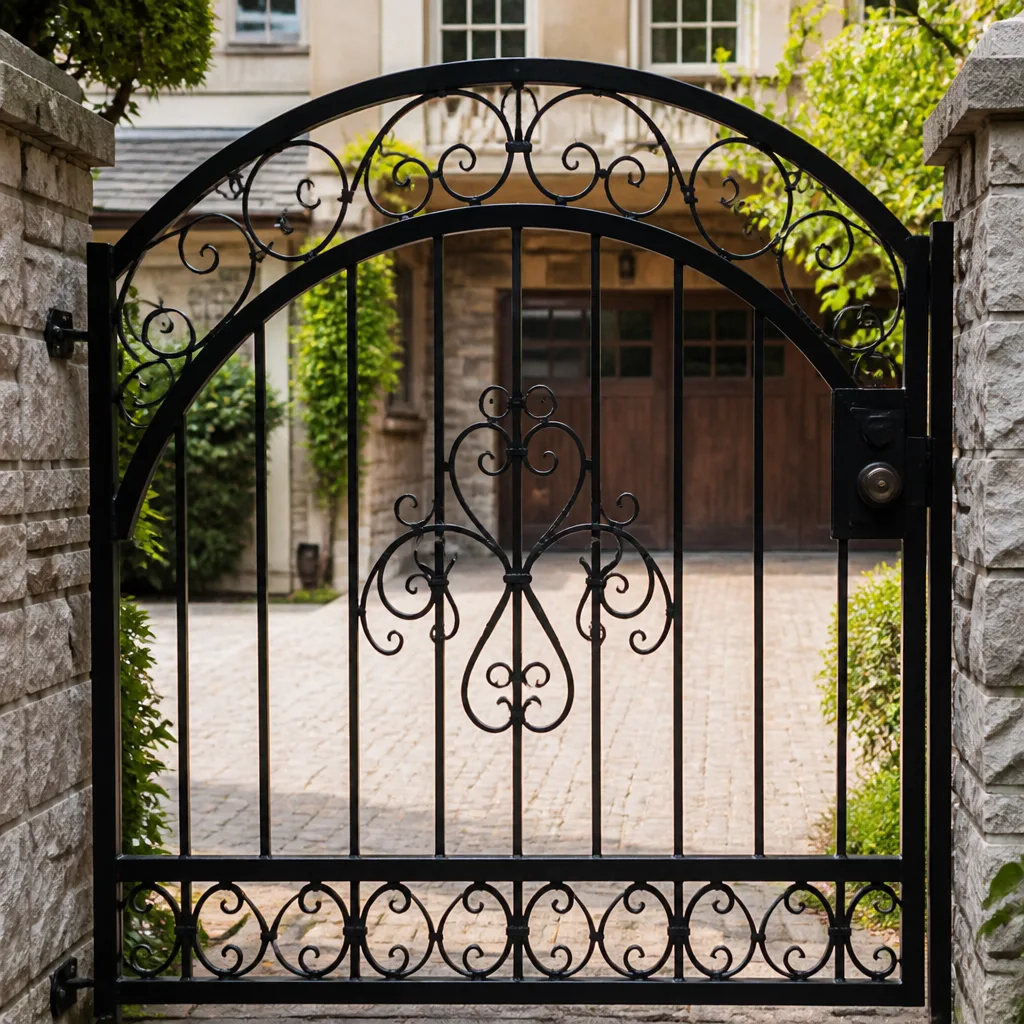 Wrought iron
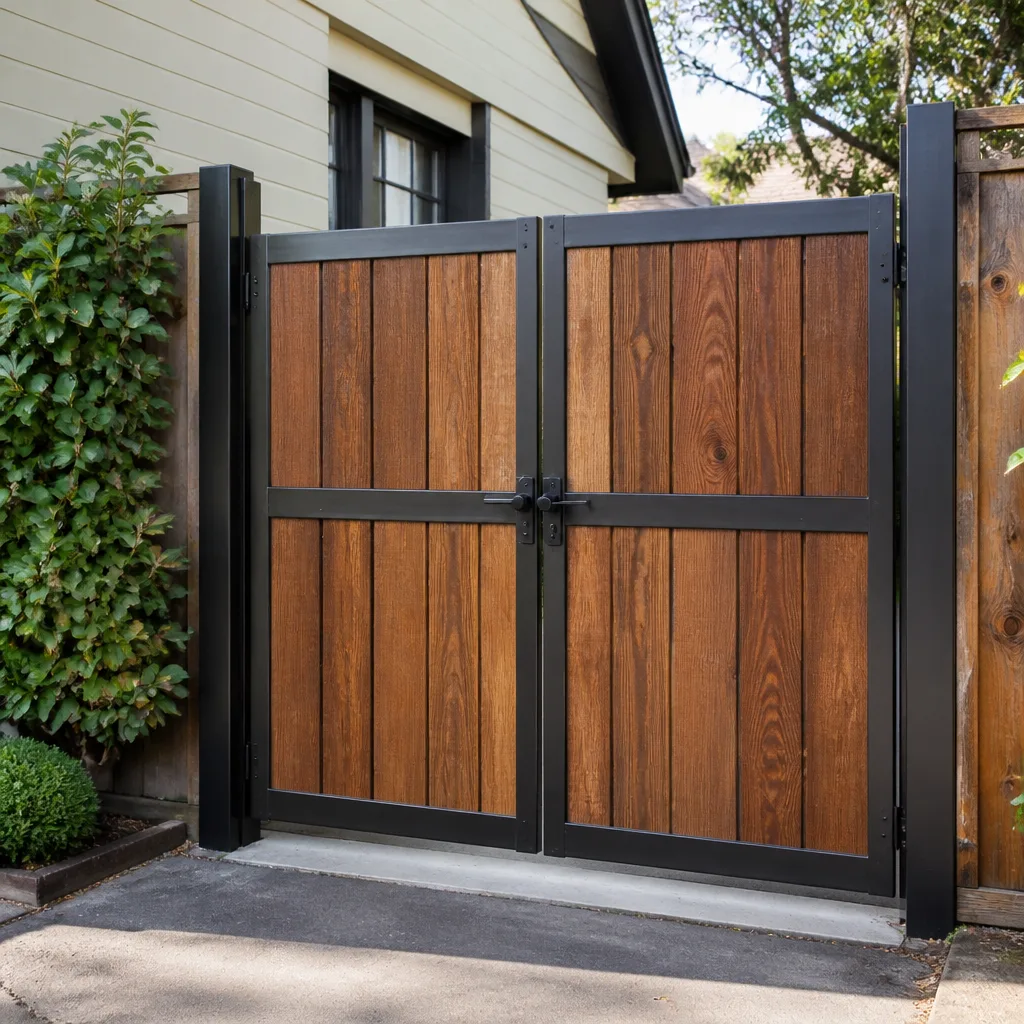 Wood & steel frame
 Farm & ranch
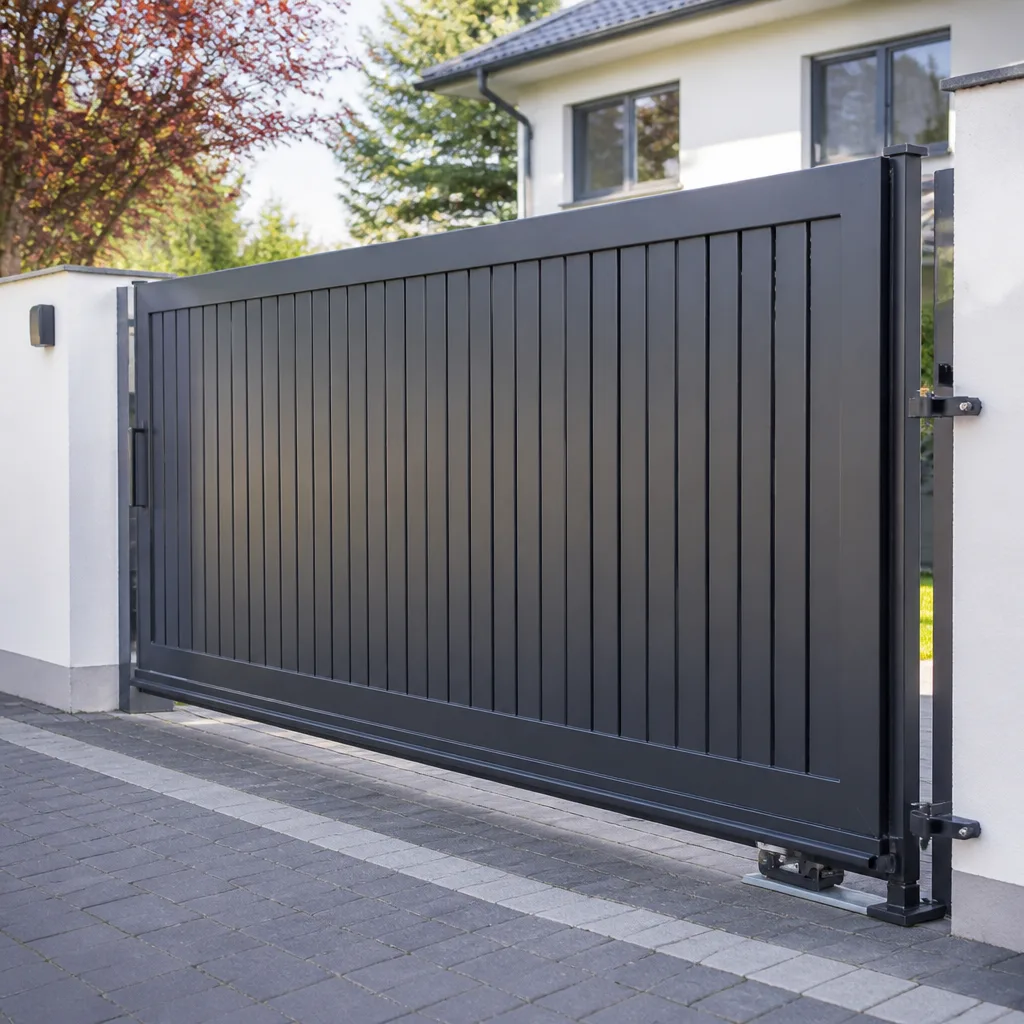 Sliding driveway gates
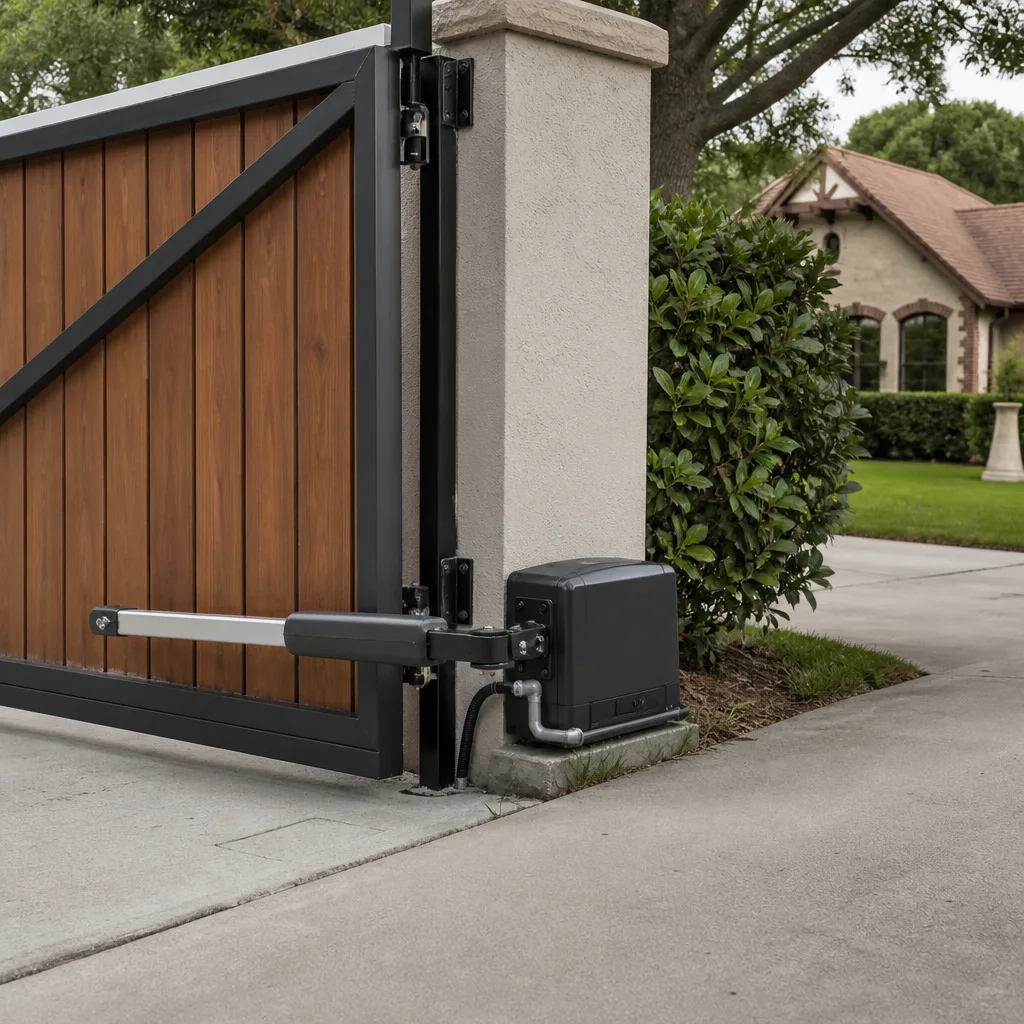 LiftMaster operators
Free on-site gate assessment - hinges, posts, and your LiftMaster or Nice gate operator checked before anything is quoted
The assessment is free and the quote is the invoice.
Get your free estimateSeasonal Gate Repair Care for Newark: Year-Round Homeowner’s Guide
Most gate failures we see in Newark in January started back in October. Thermal contraction tightens bushings, backup batteries that sat through a warm fall quietly stop holding a charge, and drain holes packed with leaf litter turn into ice pockets that heave a post out of plumb. None of that happens overnight. It happens because seasonal gate care gets treated as one generic checklist when Newark’s calendar actually runs four very different loads against your operator and hardware. This guide breaks the year into the seasons your gate actually feels, with the tasks, the thresholds that mean call a technician, and a realistic 12-month schedule you can keep to.
Quick Answer
Seasonal gate repair care in Newark means working with the climate instead of reacting to it: fall preparation for cold and ice, winter attention to operator behavior in freezing temperatures, spring inspection after freeze-thaw movement, and summer management of heat around control boards. Each season loads a different component, so the right task in the right month prevents most of the failures we get called for. When something is already broken, a trained technician should diagnose it, especially anything involving the operator’s wiring or power.
Styles & brands we work with
- Wrought iron
- Wood & steel frame
- Farm & ranch
- Sliding driveway gates
- LiftMaster operators
Table of Contents
- Why Newark’s Seasons Treat Your Gate Differently
- Fall: The Work That Decides Your Winter
- Winter: What Freezing Temperatures Do to LiftMaster and FAAC Operators
- Spring: Post-Freeze Inspection and What Shifts
- Summer: Heat, Control Boards, and Ventilation
- Building a 12-Month Calendar for a Newark Gate
- Brand Behavior and What to Watch For
- Common Mistakes to Avoid
- When to Call a Professional
Why Newark’s Seasons Treat Your Gate Differently
A gate system is a mechanical assembly, an electrical assembly, and a structural footing, and each of those three responds to weather on its own schedule. Metal expands in heat and contracts in cold. Hydraulic fluid gets thicker as temperature drops. Lubricant that’s correct in July is sluggish in February. Wood on a swing gate takes on moisture in wet months and gives it back in dry ones. And the ground beneath the posts moves with freeze-thaw cycles.
In Newark, that means the gate is never in a stable state for long. A well-set post in a mild climate might hold alignment for years. Here, a single hard winter can shift a footing enough that the arm no longer lines up with the operator, and the symptom shows up as a gate that binds halfway through its travel or a motor that sounds strained at the same point every cycle.
There’s a second factor: Newark’s built environment. Many driveway gates sit close to walls, between buildings, or under overhangs, which changes how much sun, wind, and standing water each one sees. A gate that gets full southern exposure and good drainage has a completely different service profile from one in a shaded courtyard with a low spot beside the post. Reading your own site is the first step to a seasonal plan that fits.
The payoff for treating seasons as separate loads is straightforward. When you handle the right task at the right time, you spend less of the year reacting. Our technicians have up to 10 years of experience, and the pattern holds: the gates that stay reliable are the ones where someone is doing small, season-specific work before the problem announces itself.
Fall: The Work That Decides Your Winter
Fall is the highest-leverage season on the entire calendar. Everything you do now either protects the system through freezing weather or leaves it exposed. Three tasks matter most: fluid condition, battery health, and drainage.
1. Hydraulic fluid viscosity check
Hydraulic gate operators rely on fluid that flows consistently. As temperatures fall, that fluid thickens, and a system already running on degraded or incorrect fluid will show it first as slow movement in the cold, then as strain on the pump. The check involves verifying the fluid level and condition, and confirming it’s the grade the operator expects. Fluid that looks dark, milky, or has lost its body is a sign the system needs attention before winter, not after. This is not a DIY task on a pressurized hydraulic arm; a technician should handle it.
2. Battery load testing before the cold
Backup batteries are the most common fall oversight. A battery can read good voltage and still fail under load, and cold weather reduces capacity further. Testing under load tells you whether the battery will actually carry the gate through a power interruption in January. Swapping a tired battery in October is one of the cheapest preventive steps on the whole list.
3. Drain hole clearing to prevent ice heave
Water that can’t drain pools beside the post, freezes, expands, and pushes. That expansion is what lifts and tilts footings. Clearing drain holes, removing leaf debris from the base of the posts, and checking that water runs away rather than sitting is a simple job with outsized returns. Do it before the first hard freeze.
Fall checklist at a glance
- Test backup battery under load; replace if it sags.
- Check hydraulic fluid level, color, and grade.
- Clear drain holes and debris from post bases.
- Lubricate hinges, rollers, and the operator arm per the manufacturer’s guidance.
- Walk the full travel cycle and listen for new sounds or binding.
- Confirm safety sensors and edges respond before the season turns.
Budget about two to three hours for a thorough fall pass on a single gate, or call a technician for the fluid and battery work.
Winter: What Freezing Temperatures Do to LiftMaster and FAAC Operators
Cold changes how every operator behaves, but the specific symptoms differ by system. Knowing the thresholds that mean “call a technician” saves you from diagnosing a real fault as weather.
LiftMaster and similar chain or belt drive operators
Cold thickens lubricant in the rail and stiffens the arm’s connections. A gate that moves cleanly in October may hesitate or sound louder in January. Slight sluggishness on the first cycle of a cold morning is normal. What’s not normal: the operator stalling at the same point every time, the motor humming without moving the gate, or the gate reversing without an obstruction. Those indicate a load problem, a limit setting that needs adjustment, or a failing component.
FAAC and hydraulic operators
Hydraulic units are more sensitive to cold. Fluid that’s correct in summer can be too thick for smooth operation at low temperatures, which shows as slow opening and a strained pump. If the operator was already marginal in fall, winter will expose it. This is why the fall fluid check matters so much.
Winter operational thresholds
- Call a technician: operator stalls repeatedly at one point in travel.
- Call a technician: gate reverses with nothing in its path, or safety sensors don’t respond.
- Call a technician: motor runs but the gate doesn’t move.
- Monitor: slightly slower travel on the coldest mornings, returning to normal as it warms.
- Monitor: louder operation in cold, if it’s consistent and the gate still completes its cycle cleanly.
If a gate fails, don’t force it. Manual override on a stuck operator puts stress on the arm and the gate panel, and a heavy gate can swing or slide unexpectedly. For anything involving the operator’s electrical components, keep the power off and call a professional. We answer 24/7 at (833) 983-2324, and fast dispatch from 7am to 7pm gets a technician to you during operating hours. Winter repairs are scheduled the same way as any other: you get a written price before work starts.
Spring: Post-Freeze Inspection and What Shifts
Spring is inspection season. The freeze-thaw cycle has done its work, and now you find out what moved. Three areas deserve a careful look.
Shifting footings
A post that has heaved or tilted shows up as an alignment problem: the gate drags on one side, the latch misses, the operator arm no longer lines up. On a swing gate, a shifted hinge post makes the gate sag. On a slide gate, a shifted track support makes the gate jump or bind. Check for gaps, leaning posts, and new stress marks around the base. A footing problem needs a technician to assess, because correcting alignment without fixing the footing just moves the wear elsewhere.
Corroded wiring connections
Moisture that got into a connection in fall and froze over winter leaves corrosion behind. Look at the operator’s connections, the sensor wiring, and any exposed junction points. Corrosion shows as green or white buildup, and it causes intermittent faults that are frustrating to chase. A technician should inspect and clean these, because the wiring carries the operator’s control voltage and getting it wrong can damage the control board.
Swollen wood components
Wood swing gates absorb moisture through wet months and swell. Swollen wood can bind at the hinge, rub against a post, or throw off the gate’s balance. Check the bottom rail especially, where it meets the ground. If a wood gate has swelled and won’t close cleanly, don’t force it; the fix is usually adjusting hardware or trimming clearance, which a technician can do without damaging the gate.
Spring inspection sequence
- Walk the full travel cycle and note any drag, binding, or new sound.
- Inspect post bases for leaning, gaps, or cracked concrete.
- Check wiring connections for corrosion or loose terminals (power off).
- Test safety sensors and edges for correct response.
- Inspect wood components for swelling, rot, or loose hardware.
- Lubricate moving parts per the operator’s guidance.
- Confirm the manual release works smoothly.
Summer: Heat, Control Boards, and Ventilation
Summer loads a gate one way: heat. Control boards are the component most sensitive to it. Electronics generate their own heat, and when the enclosure sits in direct sun in a Newark summer, internal temperatures climb well above ambient. Boards that run consistently hot have shorter lives than boards kept in reasonable conditions.
What legitimately extends control board life
- Shade for the enclosure. A simple shade structure or relocating the enclosure to a shaded wall reduces peak internal temperature. This is a genuine improvement, not a marketing fix.
- Airflow around the enclosure. Clear vegetation and debris from around the control box. Sealed enclosures still need the outside surface to shed heat.
- Cracked or worn enclosure seals. A seal that lets in moisture also traps heat and humidity. Replacing a tired gasket is inexpensive and protects the board.
- Proper ventilation. Some enclosures have vents; confirm they’re open and clear.
What doesn’t help: opening the enclosure to “let it breathe.” That exposes the board to moisture, insects, and debris, and creates a genuine electrical hazard. Summer heat also affects the gate itself: metal expands, which can change clearances and make a gate that fit perfectly in spring bind slightly in the heat. If a gate drags only on hot afternoons, that’s expansion, and it’s worth a technician’s look.
Summer is also when batteries that survived winter start to show their age, because heat accelerates battery degradation. A battery that passed a fall load test can still weaken through summer. If your gate starts failing to open during a power interruption, the battery is the first suspect.
Building a 12-Month Calendar for a Newark Gate
Here’s a realistic schedule built around Newark’s climate. The time estimates are for a single gate and assume a homeowner doing the basic checks with a technician handling fluid, battery, and electrical work.
January and February
- Monthly: walk the travel cycle, listen for new sounds (10 minutes).
- As needed: call a technician for stalling, reversing, or failure to move.
March
- Spring inspection pass: full sequence above (30-45 minutes DIY, plus technician for footing and wiring checks).
April and May
- Post-thaw follow-up: recheck alignment after the ground settles (15 minutes).
- Wood gate check: inspect for swelling and adjust hardware.
June, July, August
- Monthly: clear vegetation from enclosure, confirm airflow (10 minutes).
- Heat check: note any operator heat alarms or cycling.
- Mid-summer: test battery under load (5 minutes).
September and October
- Fall pass: battery load test, hydraulic fluid check, drain clearing, lubrication (2-3 hours, technician for fluid and battery).
November and December
- Cold-readiness check: confirm battery, clear debris, test full cycle (15 minutes).
That’s roughly two minutes a month of light checking outside the two big passes. The full annual time investment, including technician visits for the fluid and battery work, is realistic to budget at about five to six hours over the year. For property managers with multiple gates, scale the inspections and keep a single calendar so nothing gets missed.
Brand Behavior and What to Watch For
Different operators respond to the seasons in different ways, and the brand you have shapes which symptoms matter most. We work on the brand you already have, and that includes legacy and mixed setups where someone installed an operator on a gate it wasn’t originally matched to.
- LiftMaster: chain and belt drives are robust but sensitive to cold-thickened lubricant; watch for binding points in winter.
- Mighty Mule: common on residential swing gates, often DIY-installed; seasonal alignment issues are frequent, and load testing the battery before winter matters.
- Ghost Controls: solar and battery-driven setups need battery attention in both cold and heat.
- DoorKing: often on heavier or commercial-style gates; footing and load-related symptoms deserve early attention.
- Elite: hydraulic units benefit most from the fall fluid check.
Whatever the brand, the diagnostic approach should be the same: troubleshoot the system in front of you rather than defaulting to a brand playbook. That matters most when the setup is older, mixed, or non-standard, which is exactly the situation many Newark gate owners have. If your gate is beyond repair, the same visit can scope a replacement, so there’s no handoff to a second contractor.
Common Mistakes to Avoid
- Skipping the fall battery load test. A battery that reads good voltage can still fail under load in the cold. Test it under load, not at rest.
- Forcing a stuck gate manually. Manual override on a binding operator stresses the arm and the panel. A heavy gate can move unexpectedly; call a technician instead.
- Opening the control enclosure for “ventilation.” This exposes the board to moisture, insects, and debris, and creates a real hazard in Newark’s humid summers.
- Ignoring a gate that drags only on hot afternoons. That’s heat expansion, and it’s a real alignment signal worth checking rather than living with.
- Clearing drain holes once and forgetting them. Leaf debris returns every fall; recheck before the first freeze each year.
- Assuming a brand-specific problem. Older, mixed, or non-standard setups are common, and a generic diagnosis wastes time. Get the system in front of a technician.
- Treating seasonal care as one annual task. Newark loads the gate differently in each season; a single yearly check misses the tasks that actually prevent failures.
When to Call a Professional
Call a professional when the operator stalls at the same point repeatedly, when the gate reverses with nothing in its path, when the motor runs but the gate doesn’t move, or when safety sensors and edges fail to respond. Call when a post has shifted, when wiring shows corrosion, or when a hydraulic system is anything other than smooth. And call for the fluid and battery work in fall rather than doing it yourself, because those components carry pressure and current. Gate Repair Newark offers free estimates in Newark; call (833) 983-2324. We answer 24/7, with fast dispatch from 7am to 7pm, Sunday through Friday. Prices are quoted and agreed before any work starts, so you know the cost up front.
See the difference
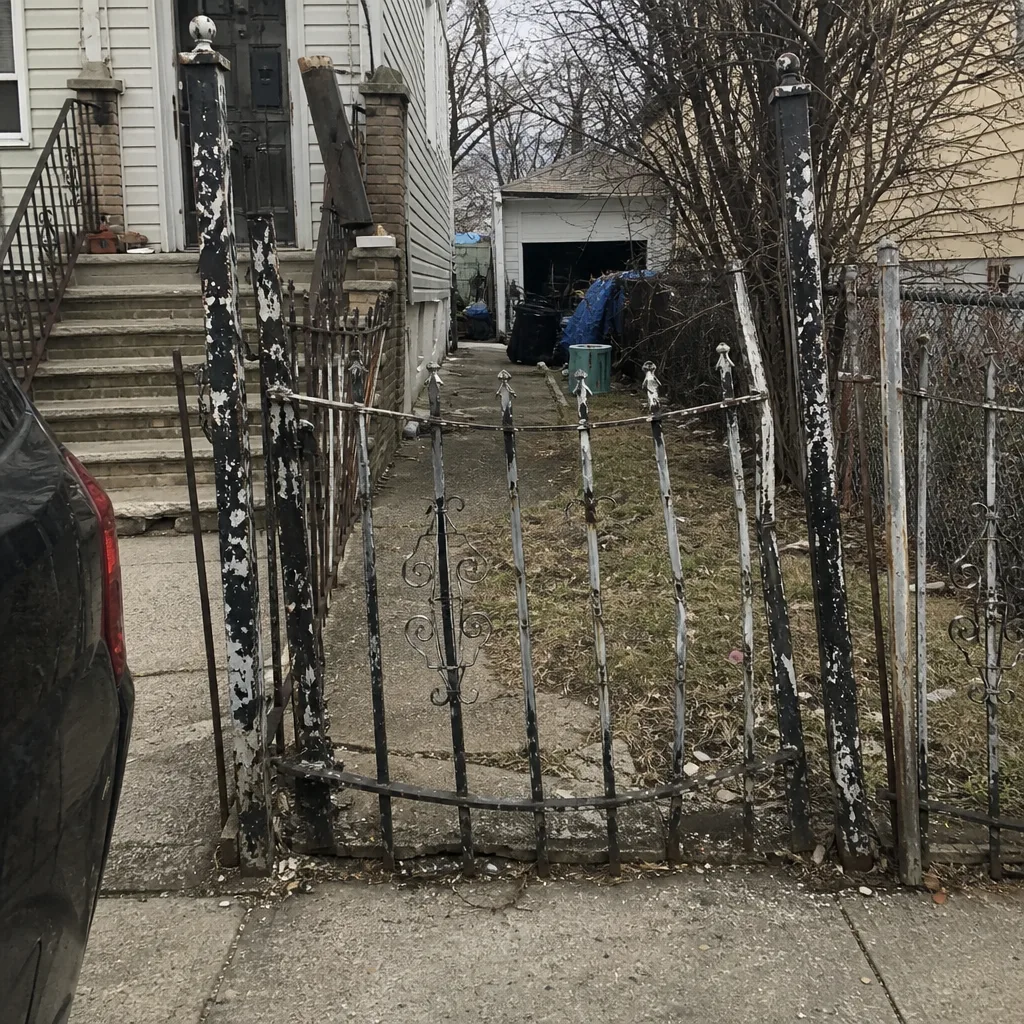 Before
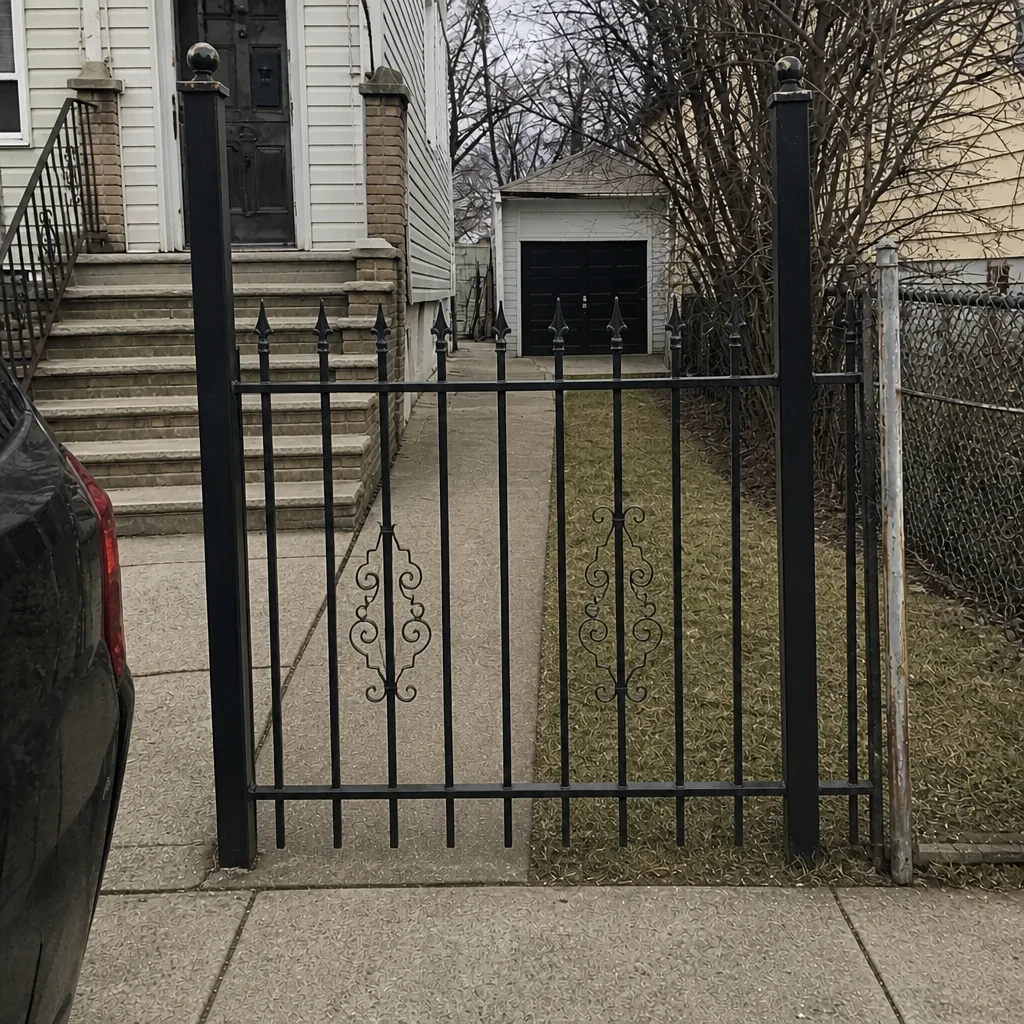 After
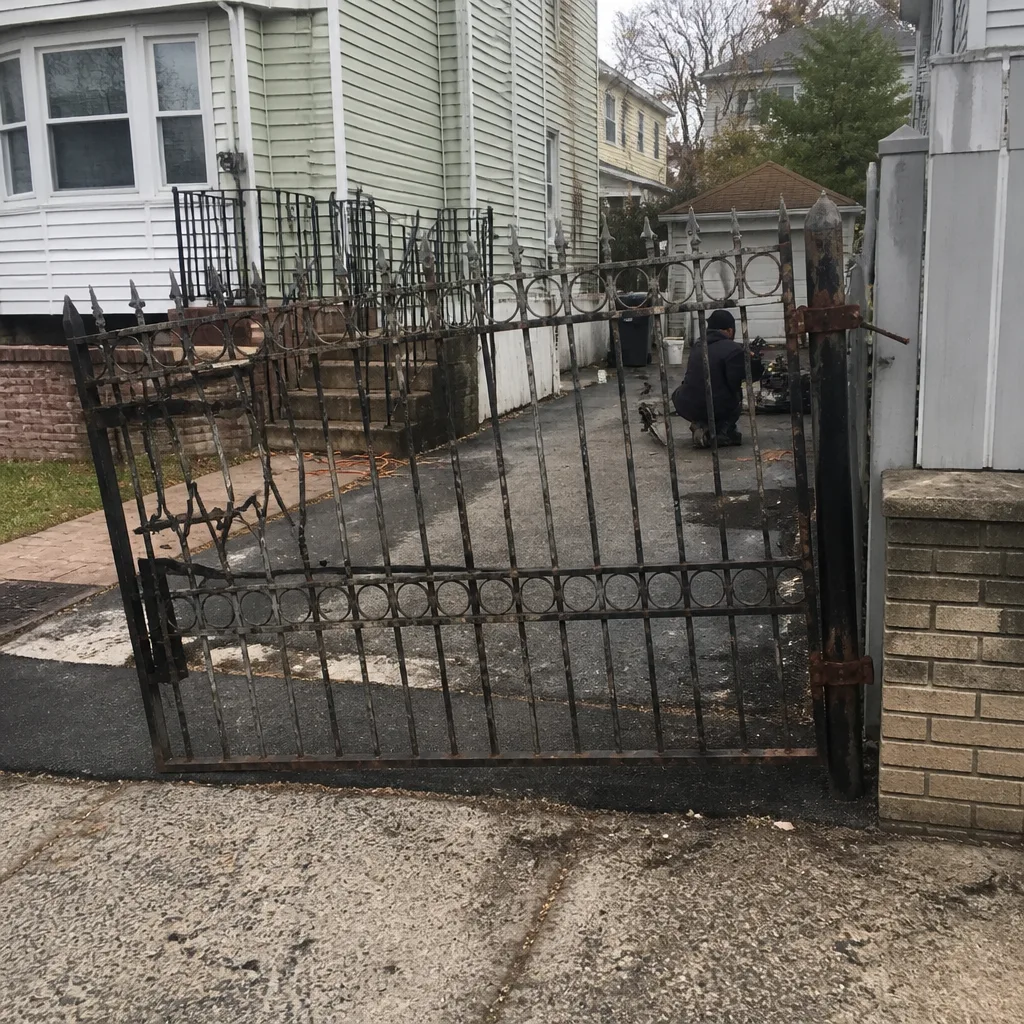 Before
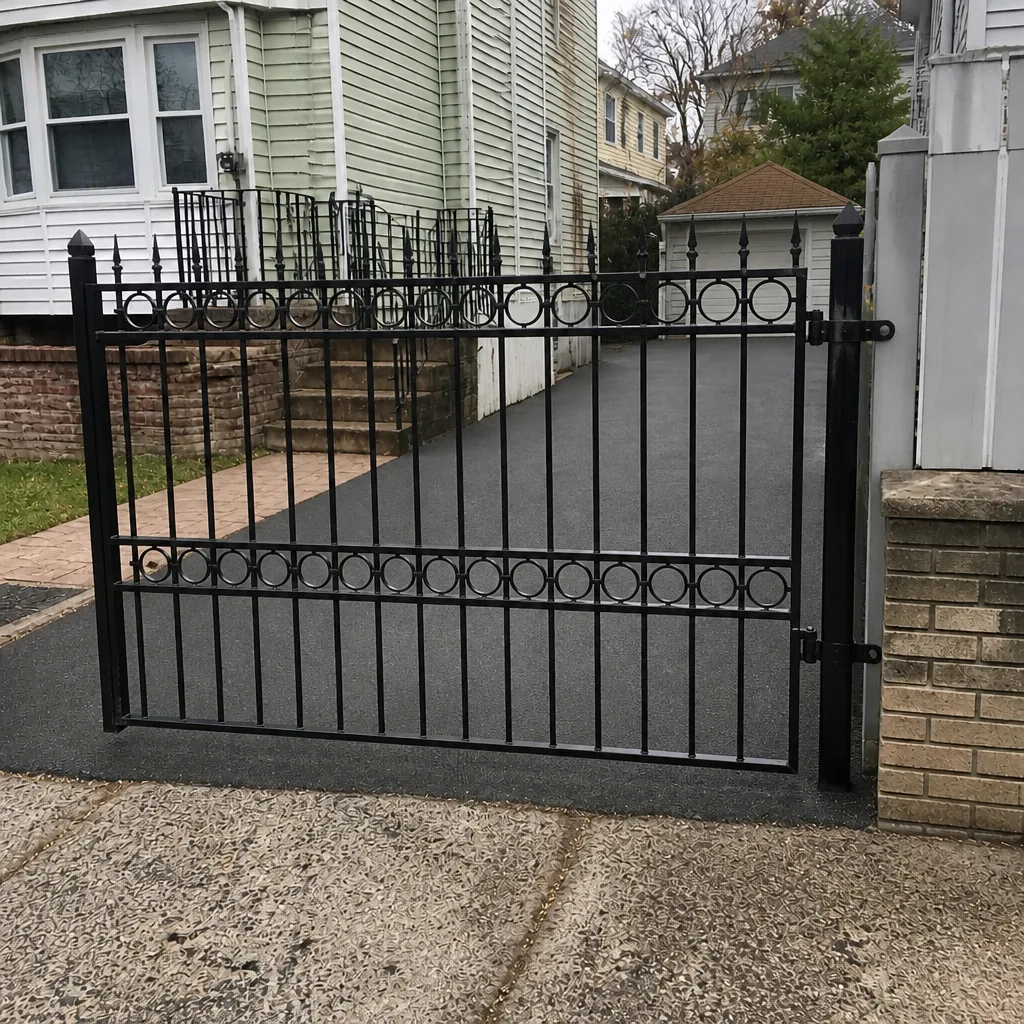 After
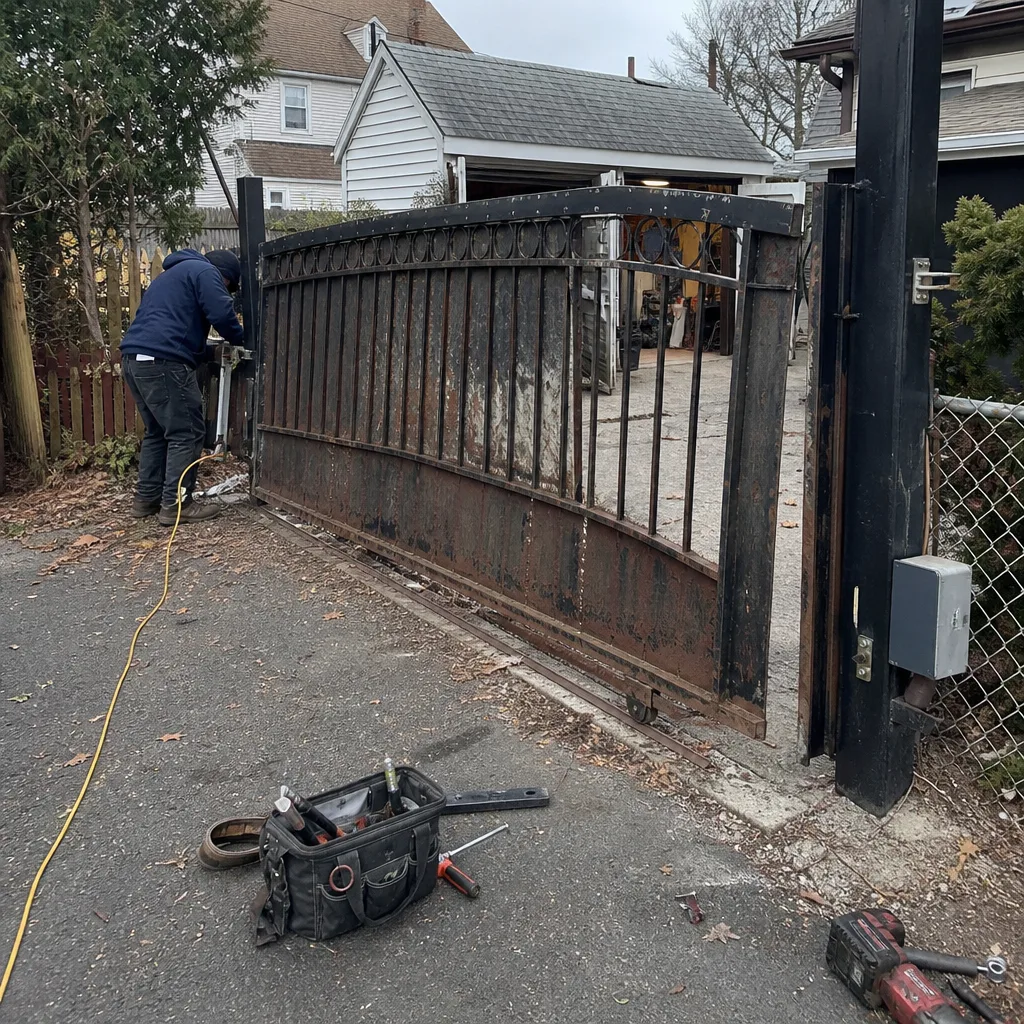 Before
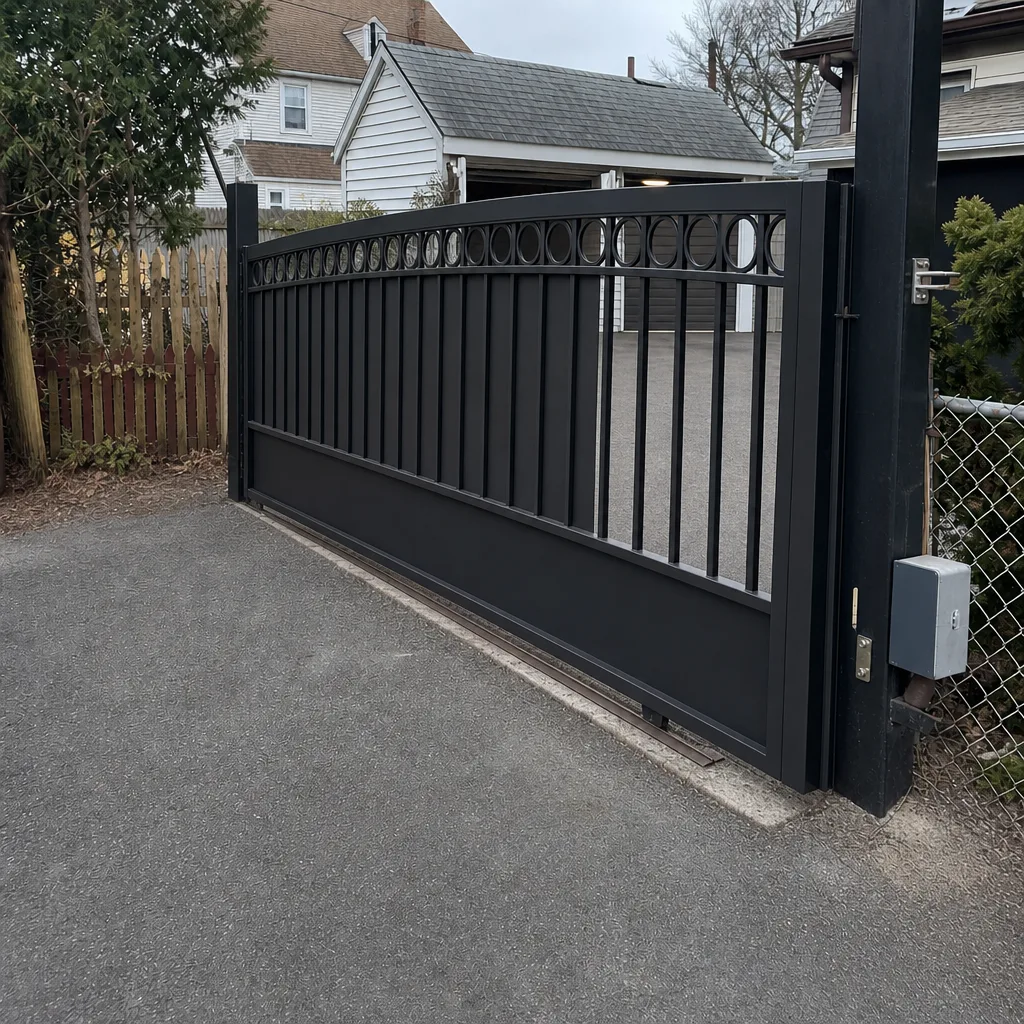 After
Frequently Asked Questions
Twice a year at minimum: a thorough fall pass and a spring inspection after the freeze-thaw cycle. Between those, a monthly walk of the travel cycle catches most developing problems early. Homes with heavy daily use or older operators benefit from a mid-summer check as well.
Cold thickens lubricant and hydraulic fluid, so slow movement on cold mornings is often normal. If the gate stalls at the same point every cycle, the motor hums without moving it, or it reverses with nothing in the path, that indicates a real fault and should be assessed by a technician. For Newark winters, the fall fluid check is the best preventive step.
Light checks – walking the travel cycle, clearing debris, clearing drain holes, noting new sounds – are safe for a homeowner. Anything involving the operator’s electrical components, hydraulic fluid, battery testing under load, or footing assessment should be handled by a technician. Keep power off and call a professional rather than opening the control enclosure.
Every job is priced per job by a written estimate, so there’s no single number. A battery test and fluid check is a smaller job than a footing correction or a control board replacement. We give you a free estimate with the price quoted and agreed before any work starts. Call (833) 983-2324 for an exact quote; estimates are free.
Most January failures trace back to October: a battery that wasn’t load-tested, hydraulic fluid that was already degraded, or drain holes that let ice heave a post and throw off alignment. Thermal contraction also tightens bushings and changes clearances. The result is a fault that surfaces in cold weather but was set up months earlier.
Yes. We handle residential and commercial gate repair, electric gate repair, and new gate installation, covering operators from brands including LiftMaster, FAAC, BFT, Linear, Viking, Ghost Controls, DoorKing, Elite, and Mighty Mule. That includes legacy, mixed-brand, and non-standard setups that other providers turn away.
The Bottom Line
Seasonal gate care in Newark isn’t one task repeated twelve times. It’s four distinct loads: fall prevention for ice and cold, winter threshold-watching for your operator, a spring inspection after the ground has moved, and summer heat management for the control board. Handle the fall pass carefully and you prevent the January failures. Inspect in spring and you catch what the freeze moved. Manage summer heat and you extend the life of the components that fail first. Keep the calendar, do the light checks yourself, and bring in a technician for anything involving fluid, current, or footings. If you’re not sure where your gate stands, start with an assessment of the system you have. For a free estimate on gate repair, electric gate repair, or a new installation, call (833) 983-2324. We answer 24/7, with fast dispatch from 7am to 7pm, Sunday through Friday.
Written by the team at Gate Repair Newark.