
Last updated November 16, 2026
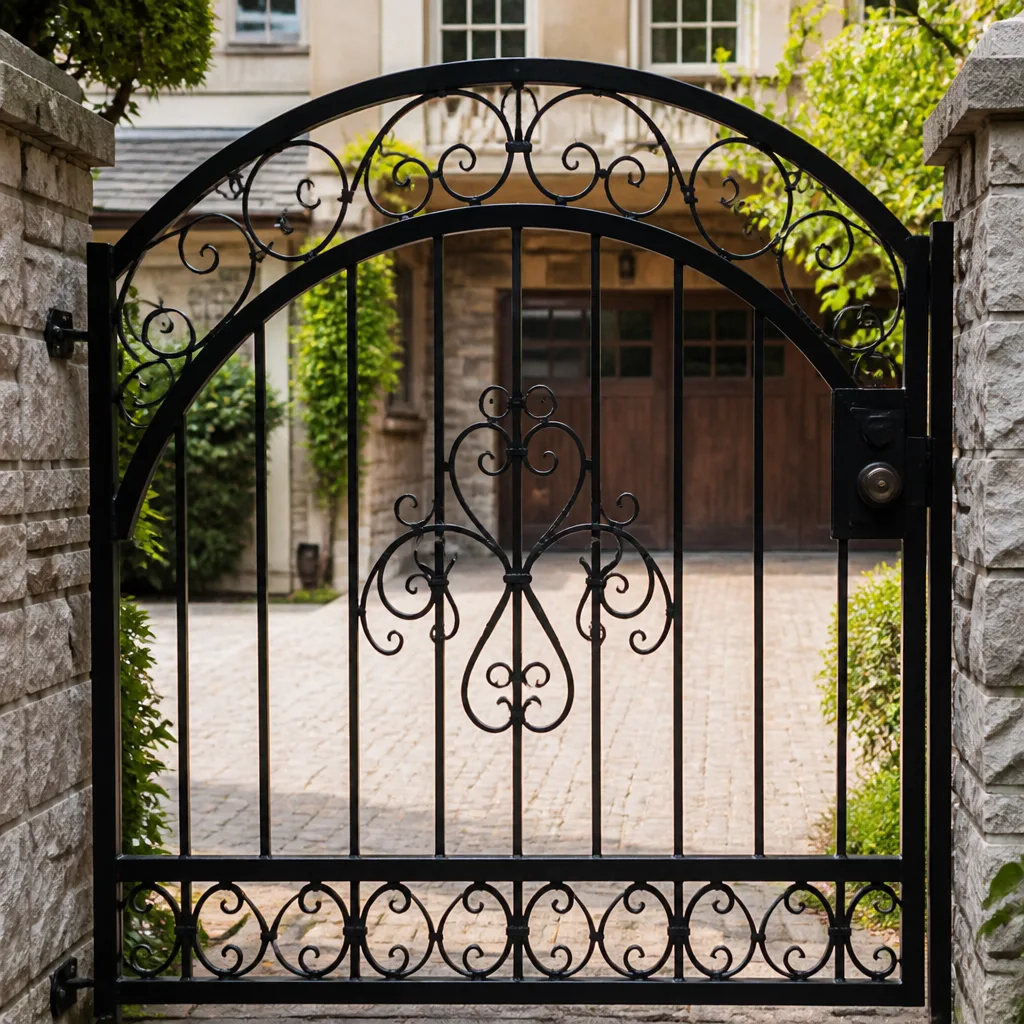 Wrought iron
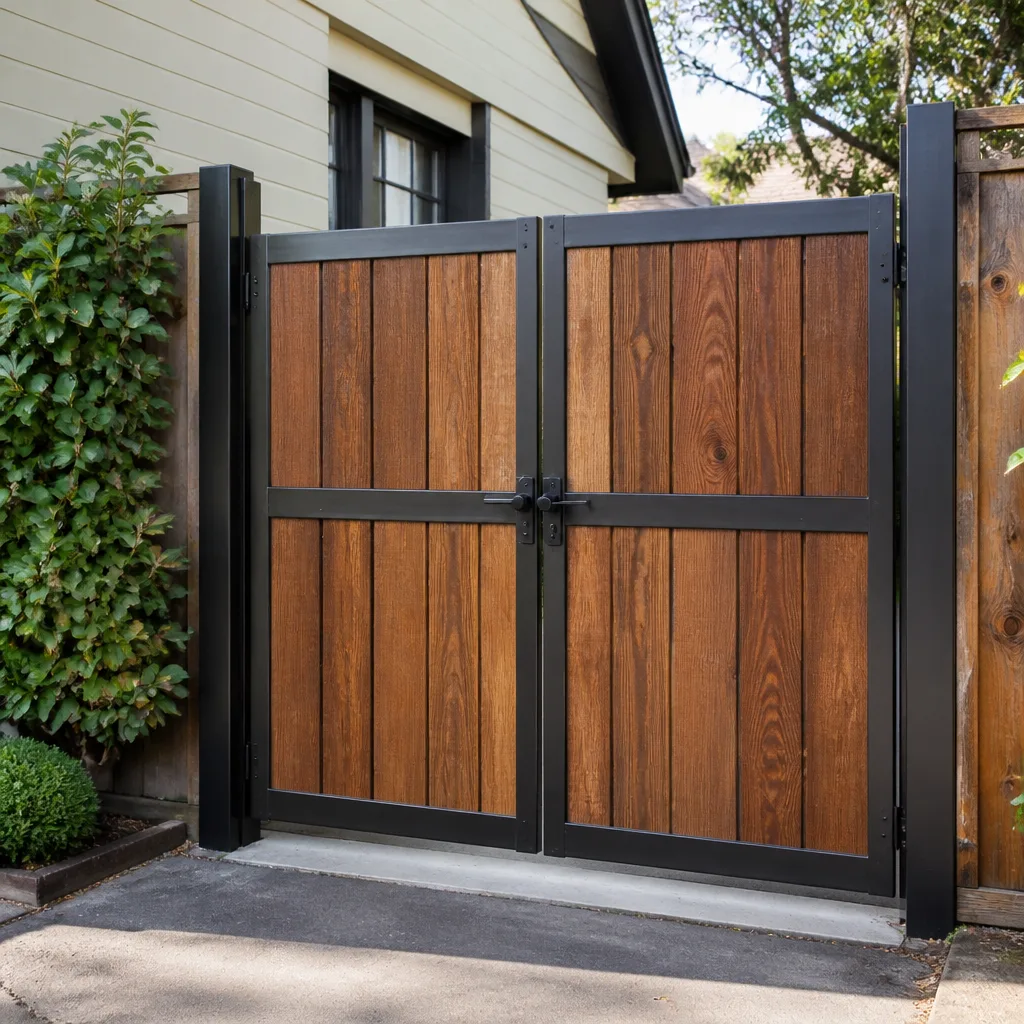 Wood & steel frame
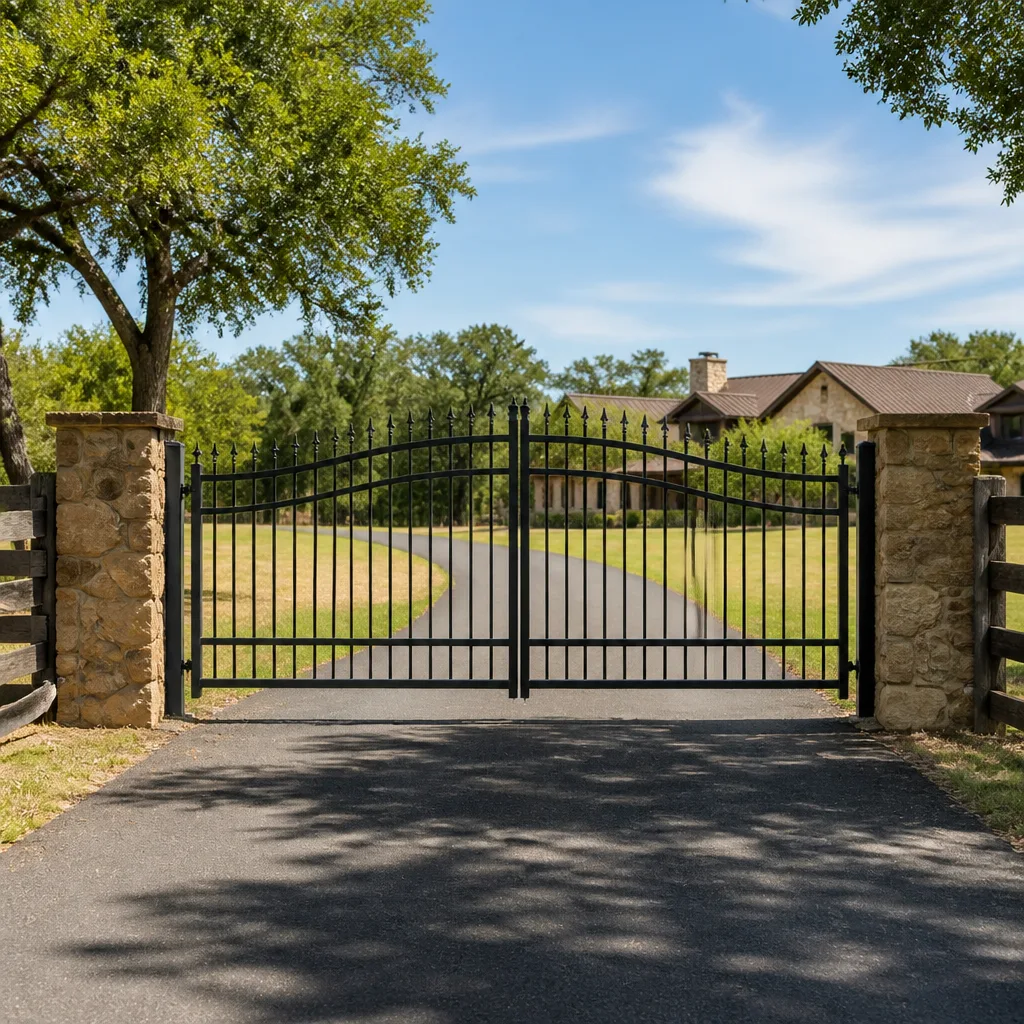 Farm & ranch
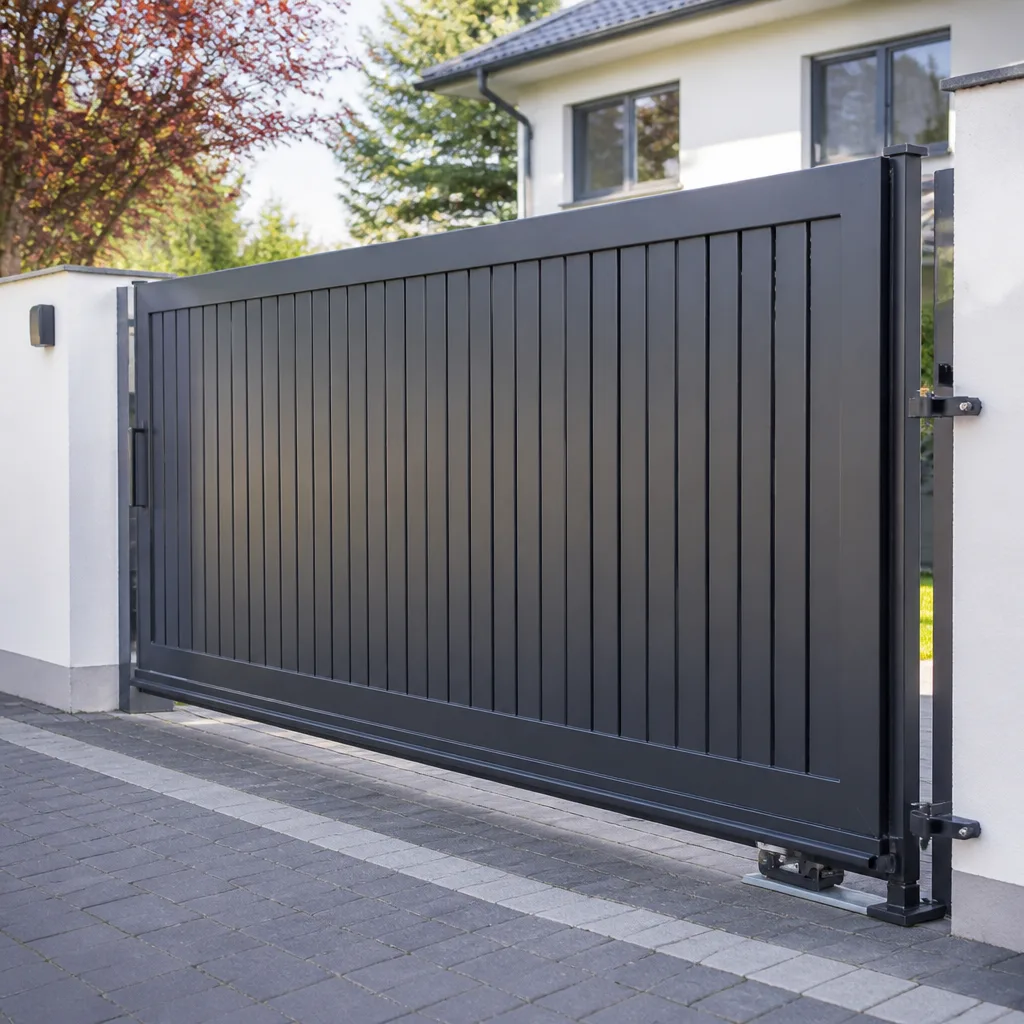 Sliding driveway gates
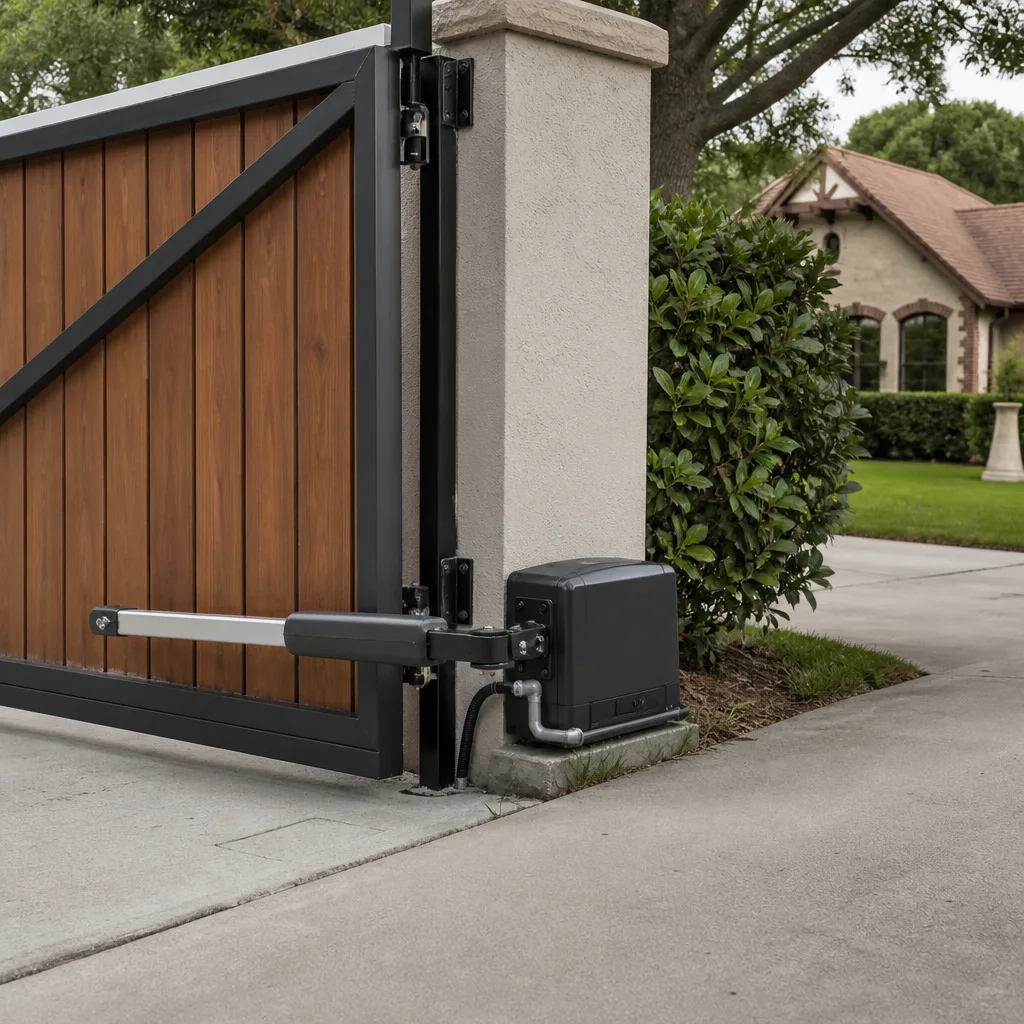 LiftMaster operators
Free on-site gate assessment - hinges, posts, and your LiftMaster or Nice gate operator checked before anything is quoted
The assessment is free and the quote is the invoice.
Get your free estimateChoosing the Right Gate Repair Brand: A Buyer’s Guide for Newark
Most Newark homeowners pick a gate operator the way they pick a car: by the name on the badge. That instinct is backwards. A gate brand is only as good as the technician who can diagnose its control board and the parts channel that can deliver a replacement in days, not weeks. A well-reviewed European operator with a beautiful motor and no local service support becomes a very expensive paperweight after the first board failure. In this guide we’ll walk through how to evaluate a brand by local serviceability rather than marketing, how the most common operators installed in Newark actually hold up, and the exact questions to ask any installer before you sign. Newark is a city of tight lots, mixed housing stock, and freeze-thaw winters, and the right choice here isn’t always the one that wins awards overseas.
Quick Answer
The best gate repair brand for a Newark property is rarely the most famous one. It’s the brand with locally available parts, a deep pool of technicians trained on it, and a design that can be repaired at the board level instead of replaced wholesale. For most residential driveways in Newark, LiftMaster, Linear, and Viking offer the smoothest combination of reliability, parts cost, and local serviceability. Premium imported brands like FAAC and BFT are excellent machines, but they only make sense when you’ve confirmed who can service them when something fails.
Styles & brands we work with
- Wrought iron
- Wood & steel frame
- Farm & ranch
- Sliding driveway gates
- LiftMaster operators
Table of Contents
- What “Local Serviceability” Actually Means
- The Operators You’ll See Most in Newark, Compared
- Why Premium Imported Brands Create Long-Term Headaches
- How Cycle-Count Ratings Translate to Real Lifespan
- Questions to Ask Any Gate Installer About Brand
- Repair at the Board Level vs. Replace-Only Design
- How Newark’s Climate Strains Different Brands
- Common Mistakes to Avoid
What “Local Serviceability” Actually Means
Local serviceability has three parts, and all three matter. Miss one and you’ll be waiting on a part or a technician when the gate is stuck.
1. Parts stocking. A brand is only serviceable if the common failure parts – control boards, limit switches, capacitors, receiver boards, motor brushes – can be sourced locally or from a regional distributor within a day or two. For LiftMaster and Linear, that’s almost automatic. For FAAC and BFT, it depends heavily on which distributor serves Northern New Jersey and whether that distributor keeps depth on the shelf or orders from overseas on demand.
2. Technician training density. How many technicians in and around Newark have actually opened this brand’s control board and traced a fault on it? A brand with a wide training footprint means a wider pool of people who can solve the problem the first time. A niche brand might have exactly one or two technicians in the region who know its quirks. That’s fine until it isn’t.
3. Board-level repairability. Some operators are designed with replaceable modules – you swap a receiver card or a limit switch board and the gate is back. Others bury everything into a single sealed board that costs as much as a mid-range operator, which pushes the repair bill toward replacement. For electric gate repair, replace-only design is the difference between a modest repair and a full swap.
The point isn’t that imported brands are bad. It’s that the brand you choose determines who can help you later. For a Newark property, the best brand is the one a qualified local technician can diagnose and source parts for quickly. In our experience, that filter rules out a few brands that look strong on paper and rules in a few that look boring.
The Operators You’ll See Most in Newark, Compared
Walk any residential block in Newark and you’ll see the same handful of gate operators repeated. Here’s how the most common ones compare on reliability, parts cost, and repair complexity. This is general market observation, not a specific price quote – the estimate on any job is what sets the final number.
LiftMaster
The most common residential swing and slide gate operator we see. Control boards and sensors are widely stocked, technician knowledge is deep, and repair complexity is low. Parts cost is moderate. For a Newark driveway where uptime matters, LiftMaster is the safe default. Failures are usually board, sensor, or limit-switch related, and most are diagnosable on the first visit.
Linear
Linear operators are common on lighter residential gates and small commercial entrances. Parts are inexpensive and easy to get. Reliability is solid for moderate use; the trade-off is that the build is lighter, so a heavy gate or a high-cycle driveway will wear a Linear unit faster. Repair complexity is low, and board replacement is straightforward.
Viking
Viking sits in a similar bracket to Linear: reasonable cost, decent reliability, accessible parts. Access control and intercom hardware is a strong suit. Repair is uncomplicated. For a homeowner who wants predictable, no-drama service, Viking is a solid choice on standard residential gates.
FAAC
FAAC is a premium European brand. Build quality is excellent and the operator will genuinely last if the gate swings smoothly and isn’t overspecified. The catch is parts: FAAC components can be slower to source in Newark than LiftMaster or Linear, and repair complexity is higher. On a board failure, you may face a longer wait or a more expensive part. This is the brand where “was it installed correctly” matters most – a poorly set up FAAC is a service headache.
BFT
BFT is in the same family as FAAC: high quality, more complex boards, less local parts depth. BFT shines on sliding gates and on gates with heavy automation needs. When it works, it’s excellent. When it fails, plan on a more involved diagnostic.
What this comparison really tells you
- Reliability: All the brands above will run for years if the gate is set up correctly and matched to the right duty cycle. Brand matters less than correct sizing.
- Parts cost: LiftMaster and Linear are the cheapest to keep running. FAAC and BFT cost more when parts are needed.
- Repair complexity: LiftMaster, Linear, and Viking are the easiest to diagnose and fix. FAAC and BFT require more expertise.
- Local serviceability: LiftMaster, Linear, and Viking win on speed of parts and density of trained technicians in Newark.
Why Premium Imported Brands Create Long-Term Headaches In Newark
An imported premium brand isn’t a mistake. It’s a decision that comes with trade-offs most homeowners don’t see at the point of sale. The operator itself is often better built than its domestic counterpart: smoother gearing, tighter tolerances, quieter motion. The problem is what happens three, five, or eight years later when the gate won’t open and you need a part today.
The trade-offs to understand:
- Parts lead times. Domestic brands have deep regional distributor networks. Imported brands often depend on a smaller number of distributors, and if a part isn’t on the shelf, it’s ordered from overseas. In the meantime, your driveway is blocked or your commercial lot is open to anyone who walks in.
- Fewer trained technicians. A general handyman can swap a LiftMaster board without much thought. An imported operator with proprietary diagnostic codes and non-standard wiring needs a technician who has actually worked on it. Not every local service company has that experience.
- Non-standard components. Some imported operators use encoder systems, loop detectors, or safety-edge configurations that don’t cross over to domestic parts. If a sensor fails on a rare system, you may need to source an exact replacement rather than a compatible aftermarket equivalent.
- Higher repair bills. Even when a part is available, the imported component often costs more, and labor time is longer because the technician has to diagnose in unfamiliar territory. The repair can end up close in cost to a new domestic unit.
The right way to think about it: a premium brand is worth it when you’ve confirmed who can service it. If you already own a FAAC or BFT gate in Newark, that doesn’t mean you should rip it out. It means you should know who works on it before something goes wrong. Our position is simple: we work on the brand you already have. If the operator is a common domestic brand, we know exactly where the failure usually sits. If it’s an imported unit, we diagnose the system in front of us rather than defaulting to a brand playbook.
How Cycle-Count Ratings Translate to Real Lifespan
A cycle count is the number of complete open-and-close motions an operator is rated to handle. It’s the single most useful number on the spec sheet, and most homeowners ignore it. It’s also the number most easily misunderstood. A cycle rating is a laboratory number, not a promise. How it translates to lifespan depends on use.
Residential applications
A typical single-family driveway in Newark might run two to six cycles per day. A brand rated for tens of thousands of cycles is enormously overspecified for that use. Residential gates rarely wear out on the motor – they fail on boards, sensors, batteries, hinges, rollers, and physical wear from weather and gate weight. That’s why, for most residential Newark driveways, the cheapest domestic operators will outlast their “higher-cycle” competitors simply because the failure path is elsewhere.
Light commercial applications
A small lot serving a handful of tenants, a parking area, or a service entrance can cycle dozens of times per day. Here the cycle count is real. A light-duty residential operator put on a commercial gate wears out in a couple of years. A commercial-rated LiftMaster or BFT unit designed for the demand is the correct call. In these installations, the cost of stepping up to a commercial-rated operator is small compared to the cost of replacing a worn residential unit prematurely.
What to actually look at
- Count your cycles per day honestly – including any delivery traffic or staff entry.
- Identify what other physical stresses the gate sees: wind, weight, hinge wear, slope.
- Add 30 – 50% headroom over your honest cycle count for a residential install, and more for commercial.
- Match to a brand whose parts you can actually source in Newark when the day comes.
A high cycle rating on a gate that leans, drags, or has worn hinges is meaningless. Half of the premature failures we see on residential gates have nothing to do with the operator – the gate itself is the problem, and the operator is doing extra work to overcome it. In our experience, correcting a dragging gate extends operator life far more than upgrading the brand.
Questions to Ask Any Gate Installer About Brand
The brand is a decision you’re making with the person installing it. The right installer will have clear answers to the questions below. A vague answer is a warning. This is one of the points where most buyer’s guides are silent, and it’s the one that matters most five years down the line.
The five questions
- What happens in year five? If something fails, will you still be able to source parts and diagnose the problem on this specific brand, or will it become a swap-out job? An honest answer here tells you whether the installer is thinking past the sale.
- Where do the parts come from? Is there a local or regional distributor? How long is the typical lead time on a control board, a motor, or a receiver? For a Newark installation, you want domestic brand parts stocked close enough that a repair can be scheduled quickly.
- Who can service this if you close? If the installer is out of the picture in a few years, is this brand serviceable by the broader local trade, or is it a specialist system that only one or two companies will touch? This is the single biggest reason imported gates end up stranded.
- Is it replace-only or repairable at the board level? Ask specifically whether the control board can be serviced or swapped as a module. If the answer is “we replace the whole operator,” you’ll want to know what that replacement costs before you commit.
- Is the operator right for my gate? Ask them to walk the gate with you and confirm the gate isn’t dragging, that the hinges are sound, and that the operator is sized to the actual access and weight. Brand is secondary to correct sizing.
If you’re already in an uncertain position – you have an unfamiliar brand on a gate you’ve inherited with a house purchase, or a mixed-brand setup a previous owner left behind – a specialist can help sort it out. For new installations, a free on-site measure and a written estimate is the right way to start, not a promise of same-day service; that work is scheduled.
Repair at the Board Level vs. Replace-Only Design
Two operators can cost the same on installation and then cost wildly different amounts over the next decade. The difference is whether the design lets a technician replace the specific failed component or forces a complete operator swap. This isn’t a marketing distinction. It’s the single biggest driver of total cost of ownership on a gate.
How the two designs break down
- Repairable at the board level: Control boards, receiver cards, limit switches, and safety-edge terminals are replaceable modules. A failed receiver doesn’t require a new operator. A LiftMaster or Linear board typically swaps in minutes once diagnosed.
- Replace-only design: The logic, radio receiver, and safety inputs may all be potted onto one sealed board. When any one function fails, the whole board has to be replaced at a higher cost. In the worst cases the board is expensive enough that replacing the whole operator is close in price.
- Hybrid designs: Some operators are repairable but expose the technician to proprietary diagnostics and non-standard connectors, which lengthens labor time. Even a repairable system can generate a bigger bill if diagnosis is slow.
What this costs in practice
On a domestic repairable design, a receiver or board swap is a modest line item and the rest of the operator stays put. On a premium imported design, a failed board may cost as much as a replacement operator, which is the moment homeowners realize the brand choice from five years ago is now the determining factor in their bill. This isn’t about build quality. It’s about design philosophy: replace-only design is cheaper to manufacture and more expensive to own. If you’re choosing a brand today, this is the second most important question after local parts availability.
When the failure is an operator like LiftMaster that’s widely serviced, the choice is easy: repair, and the gate goes back to work. When it’s a less-common operator, we have to make the call based on what the parts channel can supply in a reasonable window. We quote it as a job, up front, after the estimate is agreed. Our aim is to repair the gate you already have rather than push an unnecessary replacement, but on rare systems, replacement sometimes costs less than a repair.
How Newark’s Climate Strains Different Brands
Newark’s climate is hard on gate operators in ways that don’t show up on a spec sheet. Freezes in winter followed by thaws, summer heat and humidity, and spring rain put real stress on the outdoor mechanicals that support the operator. The brand that survives this best is usually the one whose mechanical design was built for a harsh cycle, not the one that wins on paper.
What the local climate actually does to a gate
- Freeze-thaw cycles heave the ground under gate posts and driveway slabs, which shifts gate alignment. The operator then fights the misalignment and wears faster. This is the single biggest cause of premature motor and hinge failure we see in Newark.
- Winter cold stiffens grease and thickens hydraulic fluid in some arm operators, raising starting torque and stressing capacitors and motor windings. Operators on gates that lean, drag, or bind through the winter are the ones that fail in January.
- Summer heat and humidity cook control boards in enclosures that don’t have proper ventilation or that get sunlight all afternoon. A board that would last a decade in a mild climate can fail in half the time on a south-facing Newark driveway.
- Rain and drainage collect at the base of gate posts and around operator footings. Rusted hinges, corroded connectors, and water in enclosures are all common repairs in this climate.
Which brands hold up best
Brand differences in this climate mostly come down to enclosure quality, board design, and how tolerant the operator is to a misaligned gate. A domestic LiftMaster or Linear on a well-maintained gate in a properly ventilated enclosure will comfortably outlast a premium FAAC on a dragging gate in a closed metal box. The lesson: the brand is only one variable. Equipment placement, gate alignment, and the seasonal realities of Newark matter just as much, and sometimes more.
Because the operator is often doing the wrong kind of work – pulling a gate that leans, pushing against ice buildup – HVAC-hardened engineering matters less than regular adjustment. That’s why we recommend an inspection after the first freeze and again in early spring, regardless of brand. A one-time inspection visit is priced per job after the technician looks at the gate; it isn’t a maintenance contract, and we don’t sell memberships.
Common Mistakes to Avoid
- Choosing a brand by name recognition alone. Choosing a gate operator because you saw it on a TV commercial or because someone at a big-box store recommended it can land you with a system no local technician can service. Reputation and local serviceability aren’t the same thing, and in Newark they diverge sharply on imported premium brands.
- Assuming “premium” means “cheap to own.” A well-built imported operator can cost more over its lifespan than a domestic one because parts lead times are longer and repair bills are higher. Build quality and total cost of ownership are two different numbers, and only one shows up on the invoice.
- Skipping the parts question. If you don’t ask the installer where parts come from, you won’t find out until the first repair. A gate that’s blocked while you wait on an overseas board is a very expensive kind of patience.
- Ignoring gate alignment before choosing a brand. A dragging or misaligned Newark gate will wear out a good operator fast, and the brand you chose won’t matter. Walk the gate with your installer to confirm the hinges and rollers are sound before picking an operator.
- Putting a residential operator on a light commercial gate. Small lots and service entrances that cycle dozens of times a day need commercial-rated units. A residential operator in this role fails prematurely, and replacing it costs more than the original upgrade would have.
- Choosing an installer who won’t explain what happens in year five. The question that reveals the most is the one about parts and serviceability down the line. An installer who dodges it is telling you something.
- Not asking who else can service the brand. If your installer closes or leaves the trade, is the brand still serviceable by the broader local trade? If the answer is no, add it to your risk list before you sign.
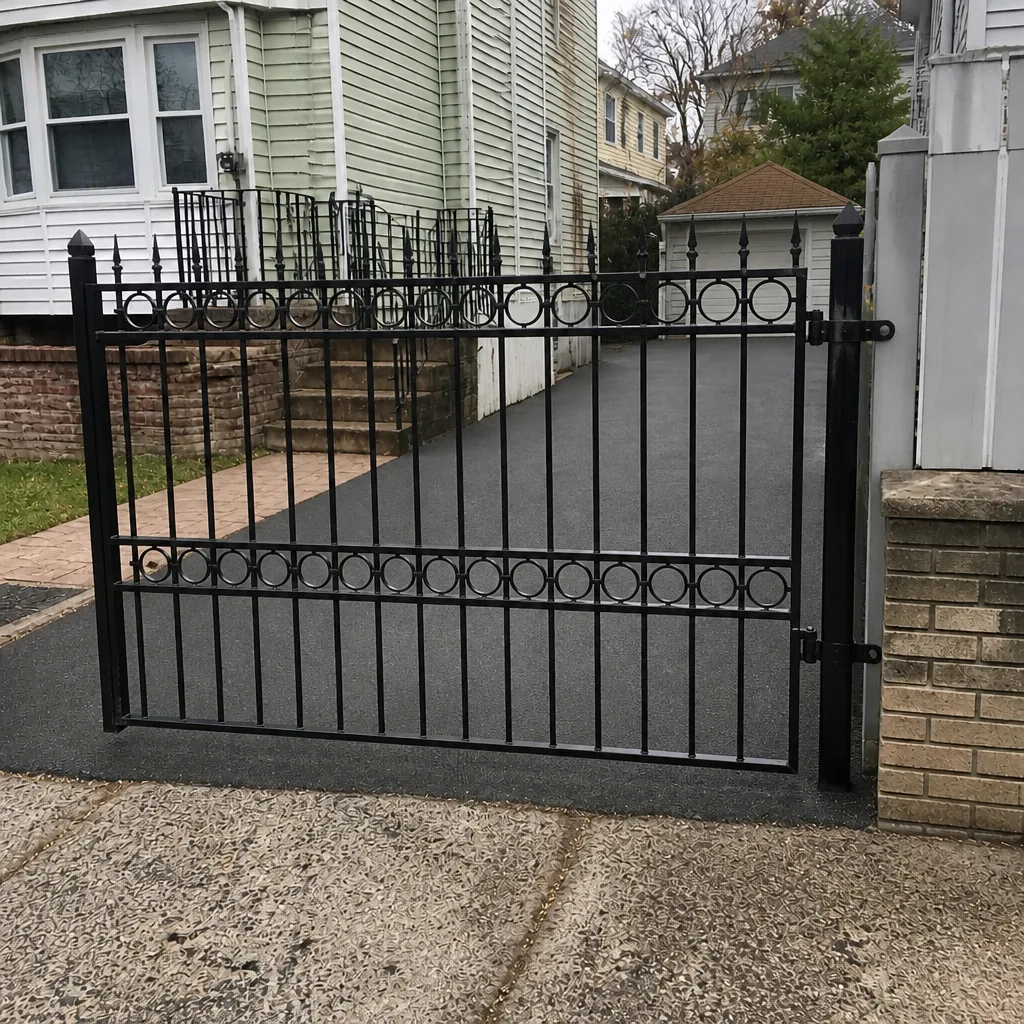
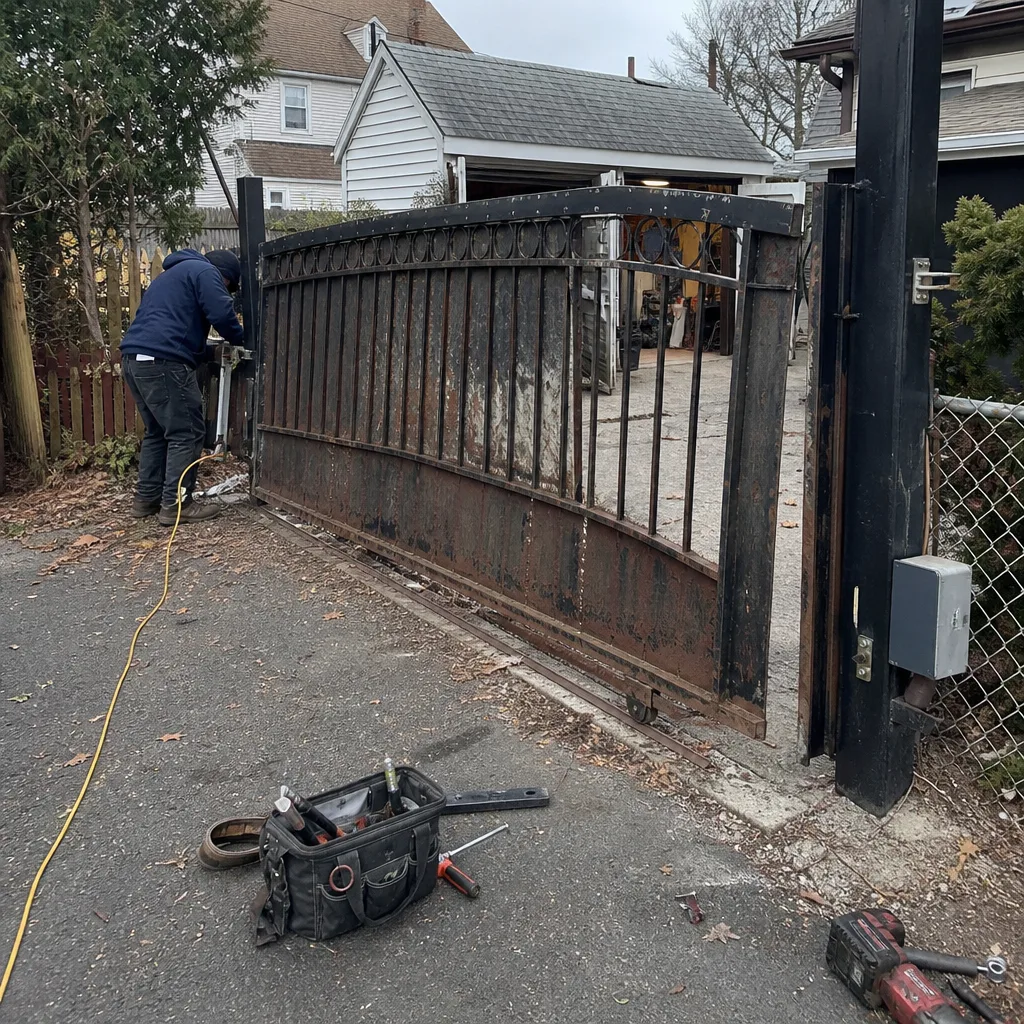
See the difference
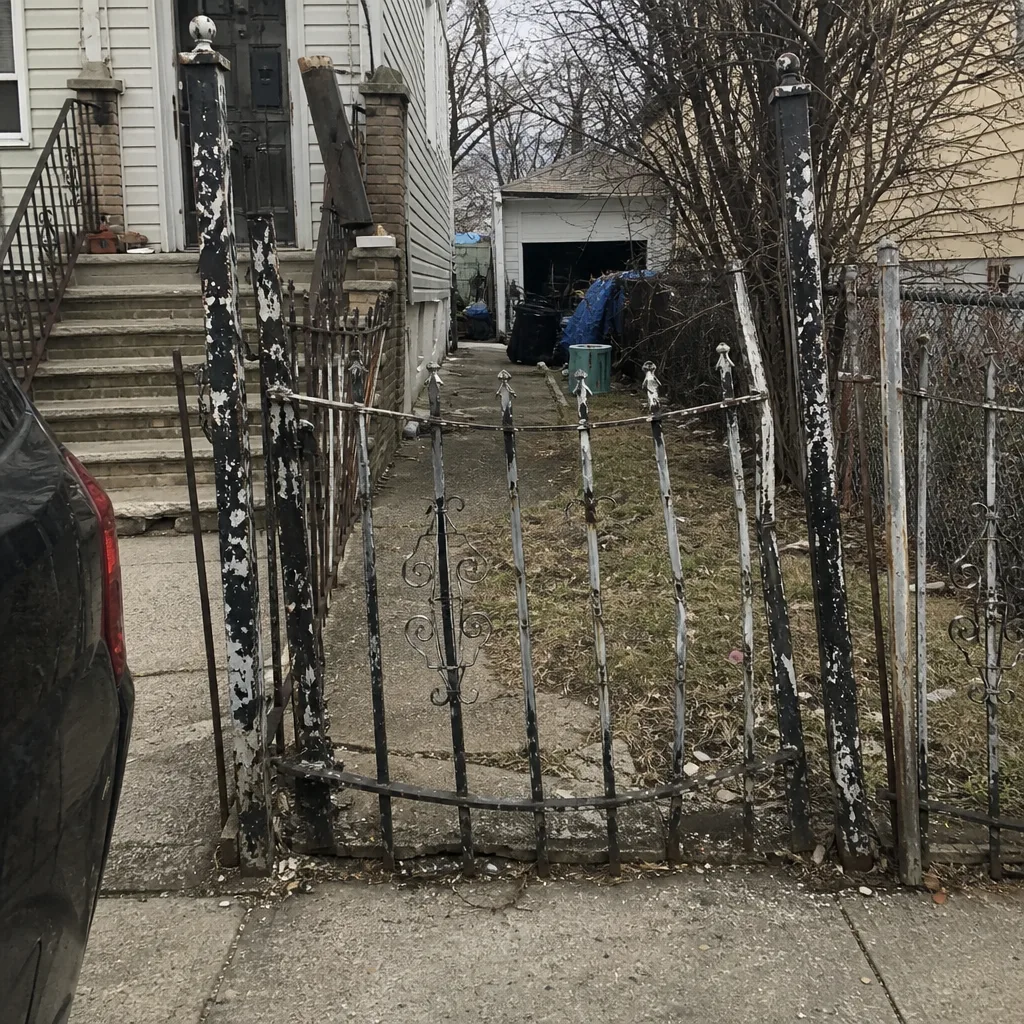 Before
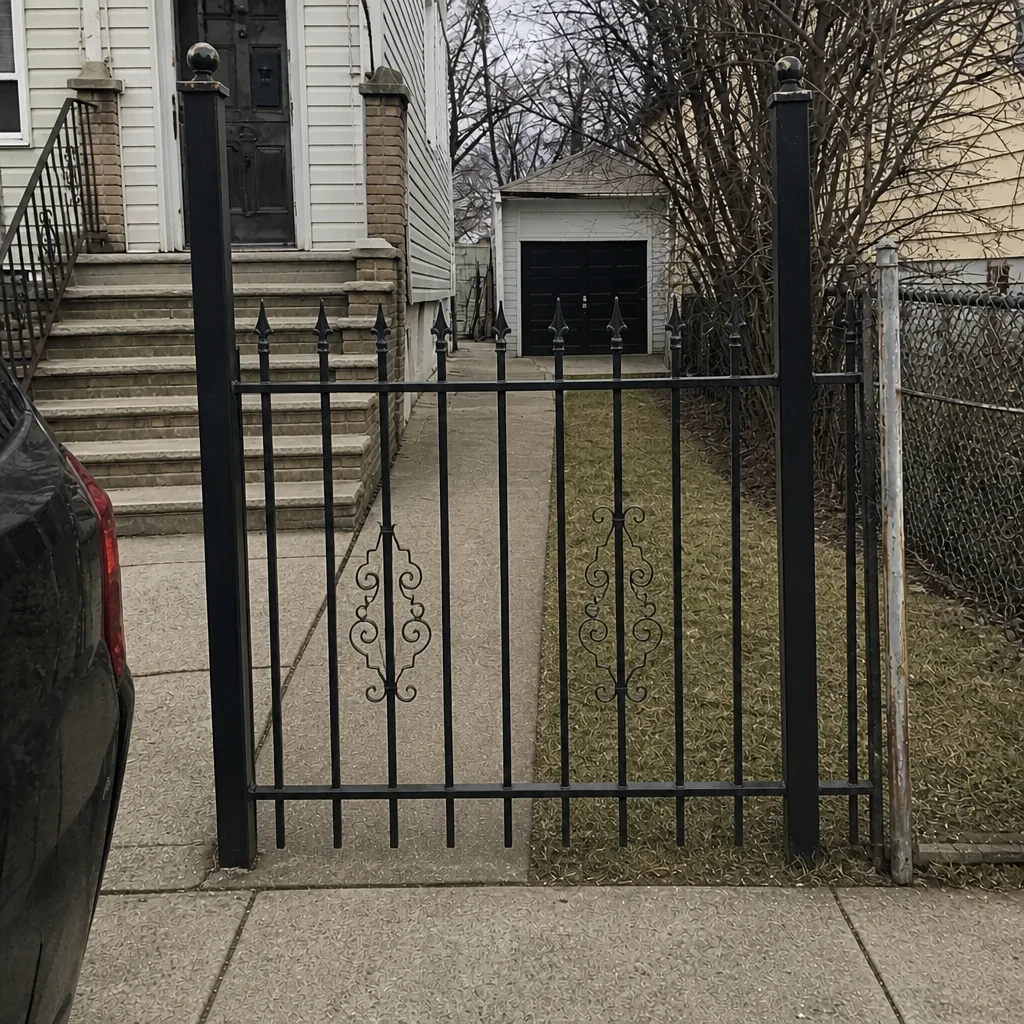 After
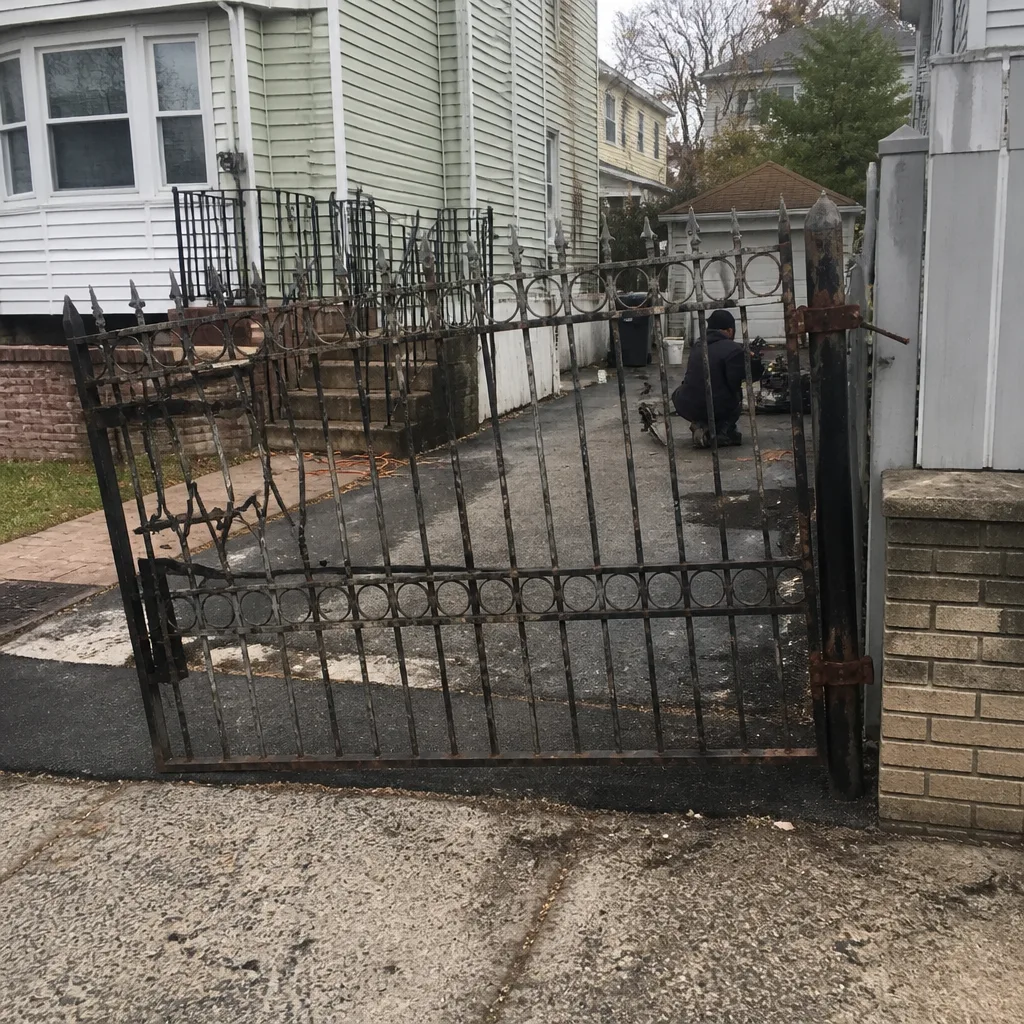 Before
 After
 Before
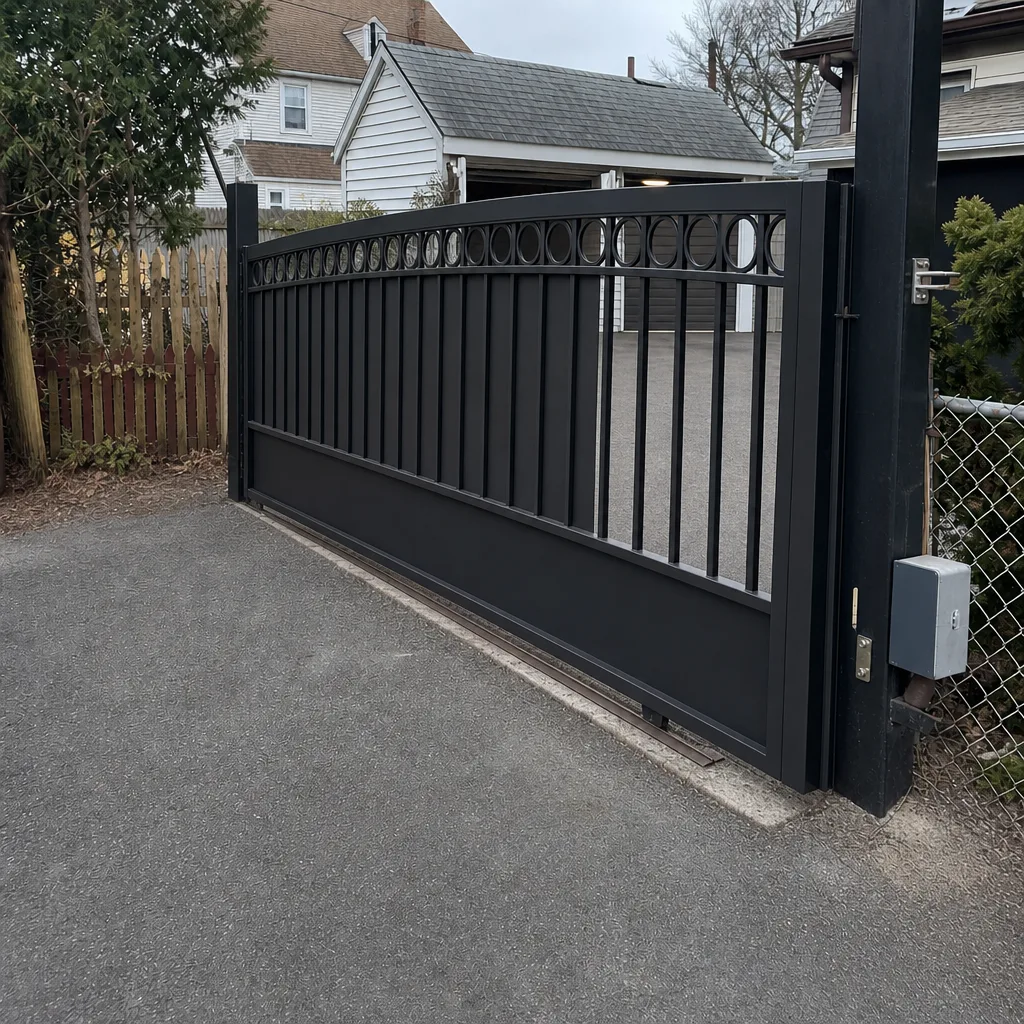 After
When to Call a Professional
Some gate problems look like a minor adjustment and turn out to be a control board gone bad, a safety-edge fault, a loop detector failure, or a gate behind the operator that’s dragging. If any of the following is true, it’s time to call a specialist:
- The gate won’t fully open or close, or reverses mid-travel.
- The operator runs but the gate doesn’t move, or the motor hums without cycling.
- Remote or keypad access works intermittently, or not at all.
- The safety edges or loop detectors no longer stop the gate.
- The gate has started dragging against the ground.
- The operator has failed after a freeze, storm, or long outage.
Electric gate repair touches real danger: the operator’s incoming power and its wiring are line voltage, and a sliding gate that has come off its track can crush or pin someone. Don’t work on the wiring yourself. Gate Repair Newark offers free estimates in Newark for both residential and commercial gates. Call (833) 983-2324. We answer 24/7. Fast dispatch from 7am to 7pm, Sunday through Friday.
Frequently Asked Questions
The best brand for most Newark properties is LiftMaster, because parts are widely available, technician knowledge is deep, and repairs are usually at the board level rather than a full replace. That’s not a blanket recommendation. On commercial gates, Viking or BFT can be the correct call. On a property with an existing FAAC operator, the best choice may be to service that operator rather than change brands at all. The right answer depends on your gate, your cycle count, and what’s already installed.
Imported brands like FAAC and BFT cost more to repair mainly because parts are slower to source and fewer technicians are trained on them. Even a well-built operator can generate a bigger bill when the driver is a part lead time or a longer diagnostic rather than a physical breakdown. Call (833) 983-2324 for an exact quote on your gate – estimates are free.
Yes. We work on the brand you already have, across LiftMaster, FAAC, BFT, Linear, Viking, Ghost Controls, DoorKing, Elite, and Mighty Mule, and we diagnose the system that’s in front of us rather than defaulting to a brand playbook. That matters most on unfamiliar, older, mixed-brand, or non-standard setups that other service companies may decline. If you’re not sure what’s on your gate, we can identify it as part of the estimate.
Count the actual cycles per day, including delivery traffic and staff entry, then add 30 – 50% headroom for a residential install. Most single-family drives in Newark run two to six cycles a day, well under a standard residential operator’s capacity. Light commercial gates that cycle dozens of times per day need a commercial-rated operator, not a residential one. Getting the sizing wrong is the most common cause of premature operator failure we see.
Ask where the parts come from, how fast a control board or motor can be sourced, and whether a failed board is replaceable at the board level or requires replacing the whole operator. Ask also who can service the brand if the installer is unavailable later. If those answers are vague on an imported premium operator, the brand is a serious long-term risk, regardless of build quality.
More isn’t automatically better, but depth across the brands actually installed in your area is the practical answer. A company that works on LiftMaster alone may not be able to help when the gate on a property you buy is a Viking or a Linear. A company that works across a wide range is more likely to be able to solve the gate in front of it. If it opens and closes a gate, we service it – that’s our policy, and if you have an unusual setup, call so we can look at it before you commit.
The Bottom Line
The best gate brand for a Newark property is the one a qualified local technician can diagnose and source parts for quickly. LiftMaster, Linear, and Viking offer the smoothest combination of reliability, parts cost, and local serviceability for most residential gates in Newark. FAAC and BFT are excellent machines, but they only make sense when you know who will service them when a part fails. Match the operator to honest cycle counts, correct gate alignment, and your local climate, and ask every installer the five questions before you sign. If a driver is failing right now, or you want a straight answer on what brand is right for your gate, gate repair starts with a free estimate. For gates you’d rather replace than keep fighting, we handle the full cycle from a jammed arm to a fresh installation, and for anything electrical we’ll route you straight to our electric gate repair team. If you’re closer to the edges of town, our crew covers the wider Newark metro.
Call (833) 983-2324 for a free estimate. We answer 24/7. Fast dispatch from 7am to 7pm, Sunday through Friday. We’re closed on Saturday, and a call outside dispatch hours is booked into the next opening.
Written by the team at Gate Repair Newark.